The Silver Jubilee of Cringe: Celebrating 25 Years of The Office BBC
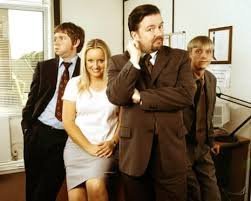
Dust off your acoustic guitars and straighten those awkward ties! It has been a quarter of a century since the world was first introduced to the legendary discomfort of Wernham Hogg. The Office, the BBC sitcom that redefined the mockumentary genre, is officially 25 years old.
To mark this milestone, the comedy world is gearing up for two major celebrations. Actors Martin Freeman and Mackenzie Crook are reuniting for a BBC documentary, while co-creator Ricky Gervais is launching a retrospective special on his YouTube channel. To get you in the mood for the nostalgia, we’ve unearthed 25 surprising facts about the show that prove the brilliance of the writing duo Gervais and Stephen Merchant.
Unexpected Casting and Secret Cameos
The casting of the show almost looked very different. In a twist of fate, Martin Freeman originally auditioned for the role of the territorial army enthusiast, Gareth Keenan. It was only as he was leaving that Ricky Gervais asked him to read for Tim—the rest, as they say, is television history.
Speaking of family ties, the show featured a subtle and hilarious recurring guest. The silent caretaker who frequently stares blankly into the camera is actually Ron Merchant, the father of Stephen Merchant. According to Stephen, he was cast simply because “he had a funny face.”
The Art of the Mockumentary: Behind the Scenes
Creating a show that feels spontaneous requires an incredible amount of planning. While it may seem improvised, Gervais and Merchant reveal that about 95% of the show was strictly scripted. However, some of the most iconic moments were unplanned, such as David Brent’s infamous “Flashdance meets MC Hammer” dance move, which was completely improvised.
- n
- The Stapler Struggle: The iconic scene where Tim puts Gareth’s stapler in jelly required the props master to create 30 different jellies in his home kitchen to get the shot right.
- The Endless Takes: Tim’s appraisal with David Brent took a record-breaking 74 takes because Freeman and Gervais couldn’t stop laughing (corpsing).
- The Visual Motif: Every single episode contains a shot of a whirring photocopier from the exact same angle, adding to the mundane workplace atmosphere.
n
n
n
Real-Life Inspirations and Global Success
Much of the show’s authenticity comes from real-life awkwardness. Ricky Gervais based the character of Gareth on a former schoolmate who possessed a strange array of “facts”—including a bizarre theory about cannibals and pornography.
Even the opening scene was inspired by a real-life interview Gervais had with a temp agency at age 17, where the recruiter wore a bad suit and a ponytail, mirroring the aesthetic later adopted by David Brent. You can explore more about the BBC’s legacy of comedy to see how this show paved the way for future hits.
A Global Phenomenon
Though it started with low ratings and poor focus group scores (once ranking as low as women’s bowls in the rain), The Office eventually became a global blueprint. It has been remade in 16 different territories, including a French-Canadian version where the manager is named David Gervais as a tribute to the creator.
The Emotional Core
Beyond the jokes, the show succeeded because of its heart. Both Gervais and Stephen Merchant agree that the most perfect moment in the series is the end of season two, when Tim removes his microphone to tell Dawn how he feels. By silencing the audio, the creators used the mockumentary format to create a genuinely intimate moment of human connection.
Whether you are a fan of the original UK version or the US adaptation, the influence of the original Slough-based brilliance remains unmatched.