New Brunswickers are bracing for what experts predict will be continued increases in electricity costs, as highlighted in the final report of a panel tasked with addressing the challenges facing NB Power. The report paints a picture of an organization struggling with financial sustainability and operational efficiency.
A Deep Dive into NB Power’s Challenges
The panel’s assessment revealed “a lack of focus on outcomes and little evidence of consequence for success or failure” within NB Power, the province’s wholly-owned utility serving approximately 400,000 customers. Blame was distributed across management, the board of directors, and the provincial government itself. A key takeaway is the urgent need for greater public understanding of energy matters in New Brunswick.
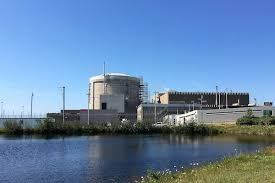
The looming financial burden of critical infrastructure projects – including the Mactaquac power dam, the Belledune coal-fired station, and the Point Lepreau nuclear plant – is a major driver of the anticipated rate hikes. Without significant changes, NB Power’s current financial structure simply cannot generate sufficient cash flow to fund these essential upgrades.
Years of Financial Strain
NB Power has faced operational and financial difficulties for years. Provincial auditors have repeatedly warned about the utility’s mounting debt, emphasizing the need for substantial rate increases, a government bailout, or drastic spending cuts. The situation is further complicated by a debt load of approximately $6 billion, resulting in a debt-to-equity ratio exceeding 93%, placing NB Power among Canada’s most indebted utilities. A significant portion of this debt dates back to the 1970s, stemming from major capital projects like the construction of the Point Lepreau nuclear plant.
Key Recommendations for a Sustainable Future
The panel, established in April 2025 by Premier Susan Holt’s government, delivered 50 recommendations aimed at improving NB Power’s financial sustainability, governance, customer satisfaction, and attractiveness to potential investors. Among the most significant proposals is the separation of Point Lepreau from the rest of NB Power, creating a new entity – Point Lepreau Nuclear – governed by a board of experienced nuclear professionals.
The panel also identified shortcomings in Point Lepreau’s operational performance, attributing them to a “tick the box” compliance culture that prioritized adherence to regulations over genuine improvement. While the partnership with Laurentis Energy Partners (a subsidiary of Ontario Power Generation) has brought valuable operational expertise, the panel found no evidence it can improve the plant’s commercial performance or reduce operating costs.
Looking Ahead: Nuclear Expansion and SMRs
Surprisingly, despite the current challenges, the panel recommended that New Brunswick begin planning for an additional nuclear plant alongside Point Lepreau. This isn’t a call for immediate construction, but rather a proactive step to initiate the necessary approval and assessment processes. Notably, the report did not delve into NB Power’s previous exploration of small modular reactors (SMRs), including plans for two first-of-a-kind reactors and a fuel processing facility at Point Lepreau by 2030. Provincial officials have indicated a shift away from pursuing these pioneering SMR projects.
Energy Minister René Legacy has assured the public that the government will develop a comprehensive plan to address all 50 recommendations by the end of May, aiming to restore trust in New Brunswick’s public utility. The future of NB Power, and the affordability of electricity for New Brunswickers, hangs in the balance.
For more information on Canada’s energy sector, visit Natural Resources Canada.