SU-24: Escalation of Conflict in the Middle East – A Deep Dive
The Middle East is teetering on the brink of a wider conflict, with recent events marking a significant escalation. The situation spiraled dramatically on Monday as Israel and the United States launched extensive operations against Iran. In response, Tehran and its allies retaliated, targeting Israel, neighboring Gulf states, and critical energy infrastructure. The downing of aircraft, including reports of Qatar’s air force shooting down two Iranian Sukhoi SU-24 bombers, underscores the rapidly deteriorating security landscape.
A Region on Edge
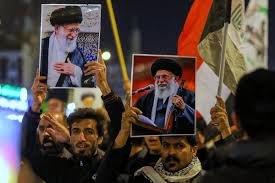
The intensity of the attacks, coupled with the tragic death of Iranian Supreme Leader Ayatollah Ali Khamenei, has created a volatile environment with no clear path to de-escalation. Safe havens like Dubai are now facing incoming fire, hundreds of thousands of air passengers are stranded globally, and oil prices have surged, signaling the far-reaching consequences of this conflict. U.S. President Donald Trump anticipates operations lasting several weeks, but remains prepared for a prolonged engagement.
Key Developments & Attacks
- Aircraft Downings: Kuwait mistakenly shot down three American F-15E Strike Eagles during Iranian attacks, while Qatar reported downing two Iranian SU-24 bombers. All pilots involved ejected safely.
- Oil Infrastructure Under Threat: QatarEnergy halted liquefied natural gas production, impacting global supply. Saudi Arabia’s Ras Tanura oil refinery and an oil tanker in the Gulf of Oman were also targeted.
- Nuclear Site Targeted: Iran claims airstrikes targeted the Natanz nuclear enrichment site, a claim neither Israel nor the U.S. have acknowledged.
- Hezbollah’s Involvement: The Iranian-backed Hezbollah launched missiles into Israel, prompting a significant response and resulting in casualties in Lebanon.
- Casualties Mount: The Iranian Red Crescent Society reports over 555 deaths, while Israel has confirmed 11 fatalities. Additional deaths have been reported in the United Arab Emirates, Kuwait, and Bahrain.
Global Economic Impact
The conflict is already sending shockwaves through global markets. European natural gas prices have surged by 40%, and the disruption to oil production and shipping lanes threatens to further destabilize energy markets. The Strait of Hormuz, a critical waterway for oil trade, is now a focal point of concern, with several ships reportedly attacked. As Torbjorn Soltvedt, an analyst at Verisk Maplecroft, notes, “The attack on Saudi Arabia’s Ras Tanura refinery marks a significant escalation, with Gulf energy infrastructure now squarely in Iran’s sights.”
Air Travel Disrupted
The region’s role as a major air travel hub has been severely impacted, with airlines grounding flights and leaving hundreds of thousands of passengers stranded. Etihad and Emirates have resumed limited flights, but significant disruptions remain.
Diplomatic Standoff
Despite the escalating violence, diplomatic efforts appear stalled. Ali Larijani, Iran’s top security official, stated on X, “We will not negotiate with the United States.” The U.S. has not clearly defined its objectives, beyond addressing Iran’s nuclear and missile programs and expressing support for a potential change in Iranian leadership.
International Response
Britain, France, and Germany have pledged to work with the U.S. to de-escalate the situation. However, the conflict’s potential to draw in other nations remains a significant concern. A drone attack on a British air base in Cyprus highlights the widening scope of the conflict.
The situation remains fluid and highly volatile. The downing of the SU-24 aircraft, alongside the attacks on critical infrastructure, signals a dangerous escalation with potentially devastating consequences for the region and the world.
Further Reading: