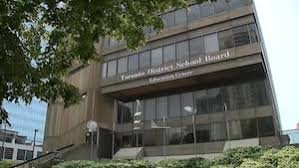
TDSB Vice Principals Face Changes: 40 Roles Affected
Toronto District School Board (TDSB) is implementing significant changes affecting vice-principals for the upcoming school year. Approximately 40 vice-principal positions will not be filled, a move driven by a combination of expiring pandemic funding and declining student enrollment. This restructuring is raising concerns about workload and the ability of school leaders to effectively support students.
Funding Cuts and Enrollment Decline
The TDSB confirmed to CP24 that 28 vice-principal roles, initially created during the COVID-19 pandemic to address increased demands, are being eliminated as provincial funding allocated for those positions has expired. Additionally, a projected decrease of roughly 5,000 students in the 2026-27 academic year will result in the removal of 12 further positions. The board has not yet released a list of specific schools that will be impacted, citing ongoing staffing adjustments.
Shared Vice-Principal Roles: A New Model
To mitigate the impact of these cuts, the TDSB is exploring a shared model, where full-time vice-principals will oversee two smaller schools. Ryan Bird, a spokesperson for the TDSB, stated that this approach has been “successfully implemented” in other school boards. While intended to maintain leadership coverage, this model raises questions about the feasibility of effectively managing two school communities simultaneously.
Growing Concerns About Workload and Stress
These changes come amidst existing concerns about the increasing demands placed on school administrators. A 2023 report by the Toronto School Administrators’ Association (TSAA), representing approximately 1,000 principals and vice-principals, highlighted that the roles of both principal and vice-principal have become “increasingly demanding, stressful and unmanageable.” The TSAA survey revealed that 61% of respondents felt unable to “realistically lead” their schools due to overwhelming workloads.
The TDSB acknowledges the potential for combined teaching and vice-principal positions, but emphasizes that the majority of these changes will be addressed through attrition, minimizing direct job losses. However, the long-term impact on remaining staff and the quality of education remains a key concern.
Provincial Supervision and Financial Oversight
The TDSB is currently under provincial supervision, along with seven other school boards in Ontario. This oversight was initiated by Education Minister Paul Calandra following allegations of financial mismanagement, internal conflicts, and wasteful spending. The ongoing scrutiny adds another layer of complexity to the board’s restructuring efforts.
Looking Ahead
The changes to vice-principal roles at the TDSB reflect broader challenges facing the education system, including funding constraints and evolving student needs. The effectiveness of the shared vice-principal model and the board’s ability to address concerns about workload and stress will be crucial in ensuring a positive learning environment for all students. For more information on Ontario’s education system, visit the Ontario Ministry of Education website.