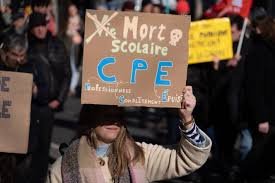
School Closures: A Growing Concern and What You Need to Know
Recent disruptions to education, specifically school closures, have become a significant concern for parents, educators, and students alike. While often implemented as a necessary measure to protect public health or address unforeseen circumstances, these closures have far-reaching consequences that extend beyond the classroom. This article delves into the reasons behind school closures, the challenges they present, and what we can expect moving forward.
Why Are Schools Closing?
Several factors can lead to school closures. Historically, public health crises, such as pandemics (like the recent COVID-19 pandemic), have been primary drivers. However, other reasons include:
- Severe Weather Conditions: Snowstorms, hurricanes, and other extreme weather events can make travel unsafe and necessitate closures.
- Infrastructure Issues: Unexpected problems with building infrastructure, like heating system failures or water damage, can force temporary shutdowns.
- Safety Concerns: Threats to school safety, including security breaches or emergencies, can lead to immediate closures.
- Staffing Shortages: A lack of available teachers and support staff can sometimes lead to temporary or rolling closures.
The Impact of School Closures
The impact of school closures is multifaceted. Beyond the immediate disruption to learning, they can exacerbate existing inequalities. Some of the key challenges include:
- Learning Loss: Prolonged periods away from in-person instruction can lead to significant learning loss, particularly for students from disadvantaged backgrounds. Research from organizations like NWEA highlights the extent of this issue.
- Increased Inequality: Students without access to reliable internet or devices are disproportionately affected by remote learning, widening the achievement gap.
- Social and Emotional Well-being: Schools provide crucial social and emotional support for students. Closures can lead to feelings of isolation, anxiety, and depression.
- Challenges for Working Parents: School closures often place a significant burden on working parents who must find childcare or adjust their work schedules.
What’s Being Done and What’s Next?
Educational institutions and policymakers are actively exploring strategies to mitigate the negative effects of school closures. These include:
- Investing in Remote Learning Infrastructure: Expanding access to technology and providing training for teachers and students in effective online learning techniques.
- Targeted Support for Students: Implementing programs to address learning loss and provide individualized support for students who have fallen behind.
- Improved Ventilation and Safety Protocols: Enhancing school facilities to improve air quality and implementing robust safety protocols to minimize the risk of future disruptions.
- Flexible Learning Models: Exploring hybrid learning models that combine in-person and remote instruction to provide greater flexibility and resilience.
Navigating the challenges of school closures requires a collaborative effort from educators, parents, policymakers, and the community. By prioritizing student well-being and investing in innovative solutions, we can ensure that all students have the opportunity to thrive, even in the face of unforeseen disruptions.