
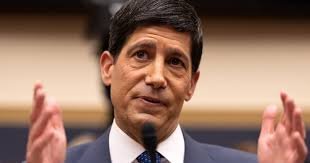
Will Kevin Warsh Trigger a Rate Hike? The Fed’s High-Stakes Battle Against Inflation
The financial world is currently holding its breath as the U.S. Federal Reserve approaches one of its most pivotal meetings of the year. At the center of the storm is Kevin Warsh, whose leadership and upcoming guidance could dictate the trajectory of global markets. While the base case for many has been stability, a perfect storm of geopolitical tension and energy costs is shifting the narrative.
The Oil Spike: A Catalyst for Change
Inflation has remained a stubborn adversary, consistently hovering above the Fed’s preferred 2% annual target. The situation has grown more urgent as Brent crude oil surged to US$100 a barrel last week. This spike, fueled by escalating tensions in the Middle East and instability in the Gulf, has reignited fears that inflation could spiral out of control.
For policymakers, the math is simple but the execution is risky: rising energy costs lead to higher consumer prices, which may necessitate more aggressive monetary tightening to keep the economy from overheating.
Kevin Warsh: The Deciding Factor
Much of the current market volatility stems from the limited guidance provided by Fed Chair Kevin Warsh. Market analysts argue that Warsh is walking a tightrope. On one hand, keeping rates unchanged might signal a lack of resolve in fighting inflation; on the other, a surprise hike could send shockwaves through the equity markets.
According to strategists at UBS Global Research, Warsh’s personal influence will likely be the deciding factor in this week’s vote. The core issue is credibility—if the Fed fails to act while oil prices soar, it risks losing its grip on inflation expectations.
A Divided Wall Street: Brokerage Perspectives
Major financial institutions are currently split on what the Fed’s next move will be. Here is a breakdown of the prevailing views:
- n
- BofA Global Research & Deutsche Bank: While they largely expect rates to hold for now, they are the outliers forecasting multiple hikes starting in September.
- UBS Global Research: They suggest a rate hike would be a strategic move to demonstrate the Fed’s “inflation-fighting resolve.”
- Citigroup: Taking a more “dove-like” stance, Citi argues that a credibility-driven hike is unjustified, as market-based inflation expectations have actually trended lower.
Market Sentiment: The Odds Are Shifting
Traders are reacting in real-time to these uncertainties. Only two weeks ago, the market attributed a mere 10% chance to a rate hike. Today, that probability has jumped to approximately 32%, reflecting a growing consensus that the status quo may no longer be sustainable.
As we await the official announcement, all eyes remain on the Federal Reserve and the strategic direction set by Kevin Warsh. Whether the Fed chooses a path of caution or aggression, the impact will be felt far beyond U.S. borders, affecting everything from mortgage rates to global trade.



