
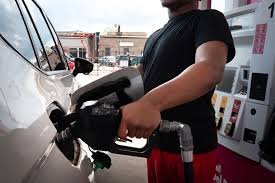
The Pain at the Pump: Why Gas Prices Are Surging Again
For many drivers, the trip to the gas station has become a source of anxiety. After a brief period of stability, US gas prices have rocketed upward, with the average price surging 15 cents in a single week to hit $3.94 a gallon. With the momentum heading north of the $4 mark, consumers are feeling the pinch once again.
While it’s easy to blame the fluctuating price of crude oil, the reality is far more complex. The current spike in gas and diesel prices is no longer just a reflection of oil markets; it is a “perfect storm” of geopolitical instability, infrastructure failure, and climatic challenges.
Beyond the Oil Barrel: The Refining Crisis
Many believe that if crude oil prices drop, gas prices follow immediately. However, there is a critical middle step: refining. Crude oil is useless until it is processed into gasoline or diesel, and right now, the global refining capacity is under severe pressure.
- Middle East Conflict: Military tensions in the Persian Gulf have led to the damage or destruction of approximately 30 refineries, significantly reducing global output.
- The Ukraine-Russia Factor: In a surprising twist, drone strikes on Russian refineries have crippled the world’s second-largest diesel exporter, turning Russia into a net importer and triggering a global diesel shortage.
The US Paradox: High Production, Low Inventory
Interestingly, the United States isn’t suffering from a lack of production. In fact, US refineries have been running at a staggering 96% capacity. So, why are we seeing price hikes?
The answer lies in exports. To bridge the global fuel gap, a record amount of American-produced jet fuel and diesel is being shipped to Europe, Asia, and Australia. This “export surge” has drained domestic reserves, pushing US gasoline inventories to their lowest levels since 2012.
According to analysts, current inventories are dangerously close to critical levels—barely 30 million barrels above the lows seen during the catastrophic Hurricane Katrina era, when stations across the country simply ran out of fuel.
The Final Blow: Seasonal Demand and Extreme Heat
As we move into the peak of summer, two major factors are driving prices even higher:
- Peak Demand: Summer travel is in full swing, and the upcoming fall harvest will soon spike diesel demand for farmers.
- The Heat Wave: Refineries require cooling to operate efficiently. When temperatures soar to extreme levels, the boiling and cooling process becomes harder, slowing down production and reducing the overall supply of gas.
What This Means for Your Wallet
With low supply and high demand, refineries are seeing record-high “crack spreads” (the profit margin between crude oil and refined products). According to the US Energy Information Administration (EIA), gasoline crack spreads are up 60% compared to last year.
Until global refinery capacity recovers or domestic inventories are replenished, consumers should prepare for continued volatility at the pump. The intersection of war, weather, and trade has made gas prices more unpredictable than ever.



