
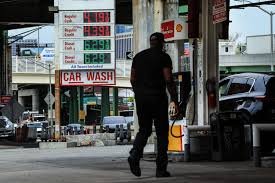
The Shock at the Pump: Why Fuel Costs Are Skyrocketing
If you’ve visited a gas station recently, you’ve likely felt the sting in your wallet. U.S. gas prices have reached a staggering new milestone, hitting a nationwide average of $4.23 per gallon. But for many drivers, the immediate question remains: why are gas prices so high right now?
The current surge isn’t the result of a single factor, but rather a “perfect storm” of geopolitical instability, market volatility, and seasonal demand. Here is a detailed breakdown of what is driving these record-breaking costs.
1. Geopolitical Tensions and the Strait of Hormuz
The most significant driver behind the recent price spike is the instability in the Middle East. A dual blockade of the Strait of Hormuz by the United States and Iran has created a critical bottleneck. As the primary chokepoint for crude oil and petroleum products exiting the Persian Gulf, any disruption here sends shockwaves through global markets.
This tension has directly impacted the price of Brent crude—the international benchmark that dictates gasoline prices in the U.S. Recently, Brent crude surged to approximately $114.60, marking a nearly 25% increase from its April lows. When the raw material costs rise, those costs are inevitably passed down to the consumer.
2. The Seasonal “Double Whammy”
Beyond global politics, timing plays a massive role. We are currently entering a period known for price volatility due to two main factors:
- n
- Refinery Maintenance: During the spring, many refineries undergo essential maintenance, temporarily reducing the supply of gasoline.
- Summer Driving Season: As warmer weather arrives, Americans hit the road for vacations, significantly increasing the demand for fuel.
3. The Breaking Point for Gas Station Retailers
You might wonder why prices jumped so suddenly after staying relatively stable for a while. According to energy experts, many gas station owners tried to shield consumers by reducing their own profit margins to keep prices below the psychological $4.00 threshold.
However, this “margin suppression” is unsustainable. Retailers can only absorb the rising cost of wholesale fuel for so long before they must raise prices to keep their businesses operational. We are now seeing the result of that financial pressure breaking.
Who is Affected the Most?
While high fuel costs are frustrating for everyone, the economic impact is not felt equally. Data from Bank of America suggests that lower-income households are bearing the brunt of this surge, as gasoline consumes a larger percentage of their monthly budgets.
The greater concern for economists is “inflationary leakage.” If fuel costs remain high, the cost of transporting groceries and utilities will rise, potentially leading to higher prices for basic household staples.
Looking Ahead: Consumer Confidence
While a recent ceasefire announcement provided a temporary boost to stock markets and a slight uptick in consumer confidence, the overall mood remains subdued. Until oil markets stabilize and the blockade of the Strait of Hormuz is resolved, drivers should prepare for continued volatility.
For real-time updates on fuel averages, you can check the latest reports from AAA Gas Prices to find the best rates in your area.



