
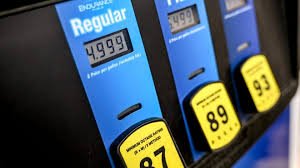
The Sting at the Pump: Why Fuel Costs are Skyrocketing
If you’ve recently looked at the pump and wondered, “why are gas prices near me so high?” you aren’t alone. Drivers across North America are feeling a significant pinch in their wallets. Despite fluctuations in domestic production, the cost of filling up a tank has reached levels not seen since the early stages of the Russia-Ukraine conflict in 2022.
Recent data shows a troubling trend. With national averages climbing toward $4.30 per gallon—and some regions hitting the $6 mark—the gap between current prices and the rates we saw in early 2025 is widening. But what exactly is driving this surge?
The Geopolitical Trigger: Conflict in the Middle East
While it might seem surprising given that the U.S. only imports a small fraction of its oil from the Middle East, the global nature of energy markets means local prices are tethered to international stability. The ongoing war in Iran has created a “perfect storm” for fuel costs:
- n
- Supply Chain Disruptions: The closure of the Strait of Hormuz, a critical artery for global oil transit, has severely limited flow.
- Infrastructure Damage: Collateral damage to oil-industry infrastructure in the region means production capacity has dropped.
- Increased Risk Premiums: Shipping insurance for oil tankers has surged due to the heightened danger of transporting fuel through conflict zones.
The Paradox: Top Producer, High Prices
A common question arises: if the United States is a leading oil-producing nation, why can’t it shield its citizens from these spikes? The answer lies in the global commodities market.
Oil is a global commodity, meaning it flows to the highest bidder. As Mark Zandi, chief economist at Moody’s Analytics, explains, if a tanker can fetch a higher price in Malaysia or Rotterdam than it can domestically, it will go there. This international competition ensures that domestic prices reflect global scarcity and demand, regardless of local production levels.
For more detailed data on global energy trends, you can explore the reports provided by the U.S. Energy Information Administration (EIA).
When Will Gas Prices Finally Drop?
For those searching for relief, the outlook remains challenging. While fragile ceasefires occasionally cause brief price dips, experts warn that structural damage to Middle Eastern oil infrastructure will take years to repair.
Key predictions for the near future include:
- Persistent Highs: Some analysts, including James Cox of Harris Financial Group, predict that elevated prices could persist until the end of 2026.
- The Risk Premium: As long as there is a risk of ceasefires breaking, traders will demand a premium to offset the danger.
- Supply Constraints: Until new, stable energy sources come online, the global supply will remain “pinched.”
In short, the era of low fuel costs is on hold. For now, the best strategy for drivers is to monitor local trends and explore fuel-efficiency options to mitigate the impact of these global market forces.



