United Fidelity Collapse: The Impact of the Latest Major US Bank Failure
United Fidelity Collapse: The Impact of the Latest Major US Bank Failure
The US financial sector has been hit with another significant shock. Federal regulators have officially shut down the Indiana-based United Fidelity, marking the most substantial bank failure since April 2024. This move comes as a stark reminder of the volatility that can still linger within regional banking systems.
The Takeover: First Citizens Steps In
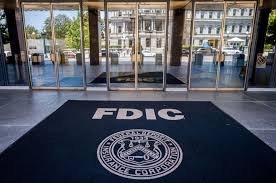
In a swift move to maintain stability, the Federal Deposit Insurance Corporation (FDIC) announced that First Citizens has agreed to assume all of United Fidelity’s deposits and assets. This is not the first time First Citizens has played the role of the “distressed buyer,” as they were previously involved in the high-profile Silicon Valley Bank collapse of 2023.
For the customers, the transition is designed to be seamless. According to FDIC officials, depositors will retain all of their funds and their insurance coverage. Access to money remains uninterrupted; clients can continue using ATMs, writing checks, and utilizing debit cards without hindrance.
A Deep Dive into the Financial Distress
The numbers surrounding the United Fidelity collapse reveal a worrying level of financial distress. The FDIC estimates that this failure will cost the industry’s deposit insurance fund approximately $1.83 billion. To put this in perspective, this represents a staggering 31% loss on the bank’s total assets, which stood at $5.9 billion at the end of September.
Further signs of trouble include the specific terms of the acquisition:
- n
- Selective Deposit Assumption: First Citizens agreed to take on $4.5 billion in deposits, significantly less than the $5.4 billion United Fidelity held in September.
- Excluded Assets: The FDIC noted that “certain brokered deposits” were excluded from the transfer, though specific reasons were not disclosed.
- Deep Asset Discounts: While First Citizens took over $3.1 billion in loans, they did so at a massive discount of $2.6 billion, suggesting a high level of concern regarding the quality of those loans.
Regional Reach and Historical Context
The closure affects 22 branches spanning several regions, including:
- Indiana
- Illinois
- Florida
- Colorado
- US Virgin Islands
This event is the largest bank failure since the closure of Philadelphia-based Republic Bank in April 2024. It also stands as the second-biggest failure since the 2023 regional banking crisis—a period defined by the implosion of Silicon Valley Bank and First Republic, which eventually forced US officials to implement rescue measures to prevent a systemic contagion.
What This Means for the Market
While First Citizens CEO Frank Holding Jr. describes the transaction as “financially and strategically compelling,” the event serves as a cautionary tale. For those interested in how banking stability works, understanding the mechanics of a bank failure is essential to navigating current market trends.
As United Fidelity branches reopen under the First Citizens banner, the financial world will be watching closely to see if this is an isolated incident or a signal of deeper instability in the regional banking sector.
📰 You May Also Like