
What is the OFAC List and Why Does It Matter?
In the complex world of international trade and finance, the OFAC list stands as one of the most critical tools for maintaining global security and economic stability. But for many business owners and financial professionals, it can seem like a daunting regulatory hurdle. If you are operating in a global market, understanding this list is not just a best practice—it is a legal necessity.
What Exactly is OFAC?
The Office of Foreign Assets Control (OFAC) is a financial intelligence and enforcement agency of the U.S. Department of the Treasury. Its primary mission is to administer and enforce economic and trade sanctions based on U.S. foreign policy and national security goals.
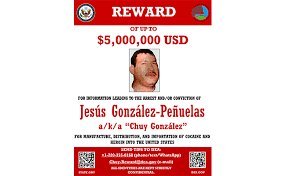
The most well-known tool in their arsenal is the SDN List (Specially Designated Nationals and Blocked Persons List). This list includes individuals, groups, and entities—such as terrorists and narcotics traffickers—whose assets are blocked and with whom U.S. persons are generally prohibited from dealing.
Who is Impacted by OFAC Sanctions?
A common misconception is that OFAC only affects U.S. citizens. In reality, the reach of these sanctions is far broader:
- U.S. Citizens and Permanent Residents: Regardless of where they are located globally.
- Entities Organized Under U.S. Law: Including its foreign branches.
- Any Person or Entity Within the U.S.: Including foreign nationals currently residing or operating on U.S. soil.
- Transactions Using U.S. Dollars: Since most USD transactions clear through U.S. banks, these can often trigger OFAC jurisdiction.
The Risks of Non-Compliance
Ignoring the OFAC list can lead to catastrophic results for a business. The consequences of failing to screen partners or clients effectively include:
- Hefty Financial Penalties: Fines can reach millions of dollars per violation.
- Criminal Prosecution: Serious violations can lead to imprisonment for the individuals involved.
- Reputational Damage: Being linked to sanctioned entities can destroy brand trust and alienate investors.
- Loss of Banking Relationships: Banks are highly risk-averse and may terminate accounts of businesses that lack proper compliance frameworks.
How to Implement Effective OFAC Screening
To mitigate risk, companies must integrate a robust Know Your Customer (KYC) and Anti-Money Laundering (AML) process. Here are three steps to get started:
1. Automated Screening Tools
Manually checking the SDN list is nearly impossible for growing businesses. Utilizing automated software that scans your customer database against the latest OFAC updates in real-time is the most efficient approach.
2. Establish a Compliance Program
Create a written policy that outlines how your company handles sanctioned parties. This should include clear procedures for reporting suspicious activity and a protocol for blocking transactions.
3. Regular Audits
The OFAC list is updated frequently. Regular audits of your screening processes ensure that your software is working correctly and that no “false negatives” are slipping through the cracks.
Final Thoughts
While the OFAC list may seem like a bureaucratic challenge, it is a vital layer of protection against global financial crime. By prioritizing compliance and utilizing the right technology, your business can expand internationally with confidence and security.



