The Nigerian Naira: Navigating the Complexity of Africa’s Major Currency
The Nigerian Naira (NGN) is more than just a medium of exchange; it is a barometer for the economic health of Africa’s most populous nation. For investors, travelers, and global economists, understanding the fluctuations of the Naira is essential to grasping the dynamics of the West African market.
In recent years, the Naira has faced significant headwinds, characterized by volatility and devaluation. But what exactly drives these changes, and what does it mean for the global economy?
Key Factors Influencing the Naira’s Value
Several macroeconomic factors contribute to the strength or weakness of the Nigerian currency. Understanding these is key to predicting future trends:
- n
- Oil Price Dependency: As a major oil exporter, Nigeria’s foreign exchange reserves are heavily tied to global crude oil prices. A dip in oil prices often leads to a decrease in dollar inflows, putting pressure on the Naira.
- Central Bank Policies: The Central Bank of Nigeria (CBN) frequently adjusts monetary policies and exchange rate windows to combat inflation and stabilize the currency.
- Inflationary Pressures: High inflation rates within the country erode purchasing power, often leading to a depreciation of the currency against the US Dollar and the Euro.
- Foreign Direct Investment (FDI): The appetite of international investors for Nigerian assets directly impacts the demand for the Naira.
Challenges and Opportunities in the Current Market
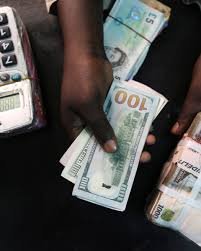
The disparity between the official exchange rate and the parallel (black) market rate has been a recurring theme in the Nigerian financial landscape. This gap often creates challenges for businesses attempting to import goods or repatriate profits.
However, there are opportunities. The shift toward diversifying the economy—moving away from oil toward agriculture and technology—could provide a more sustainable foundation for the Naira’s value in the long run. The rise of the Nigerian Fintech sector is a prime example of how innovation is reshaping the financial ecosystem.
Tips for Managing Currency Volatility
If you are doing business in Nigeria or planning a visit, consider these strategic tips:
- Monitor Real-Time Rates: Use reliable financial news platforms like Reuters to keep track of currency shifts.
- Diversify Assets: Avoid holding all your liquid assets in a single currency to hedge against sudden devaluations.
- Utilize Fintech Solutions: Explore modern digital wallets and payment gateways that offer more competitive exchange rates than traditional banks.
Final Thoughts: The Future of the Naira
While the path to stability is challenging, the Nigerian economy remains one of the most promising in Africa. With continued structural reforms and a focus on non-oil exports, the Naira has the potential to stabilize and reflect the true growth potential of the Nigerian people.