
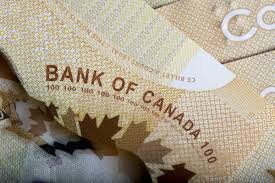
Navigating the Surge: What Inflation Means for Canadians Today
If you’ve noticed that your weekly grocery bill is climbing or that filling up your gas tank costs more than it did a year ago, you are experiencing inflation firsthand. But what exactly is driving these price hikes, and more importantly, how can you protect your financial future in an unpredictable market?
Inflation is more than just a buzzword in financial news; it is a complex economic phenomenon that affects everything from the interest rates on your mortgage to the purchasing power of your savings. For those following global market trends via sources like Bloomberg, it’s clear that inflation remains a primary concern for central banks worldwide.
What Exactly is Inflation?
At its core, inflation is the rate at which the general level of prices for goods and services is rising. When inflation occurs, each dollar you own buys a smaller percentage of a good or service. In Canada, this is primarily measured by the Consumer Price Index (CPI), which tracks the price changes of a basket of common goods and services.
The Main Drivers of Inflation in Canada
Several factors typically converge to push prices upward:
- Demand-Pull Inflation: This happens when the demand for goods and services exceeds the economy’s ability to produce them (too much money chasing too few goods).
- Cost-Push Inflation: This occurs when the cost of production increases—such as rising raw material costs or higher wages—forcing companies to pass those costs on to consumers.
- Monetary Policy: The amount of money circulating in the economy also plays a critical role in maintaining price stability.
How the Bank of Canada Fights Inflation
To keep inflation within a target range (usually around 2%), the Bank of Canada utilizes monetary policy tools. The most common tool is adjusting the overnight lending rate. By raising interest rates, the Bank aims to cool down spending and investment, which in turn slows the rate of price increases.
Smart Strategies to Protect Your Wealth
While you cannot control global economic trends, you can control how you respond to them. Here are a few ways to mitigate the impact of inflation on your personal finances:
- Invest in Inflation-Hedge Assets: Consider diversifying your portfolio with assets that historically hold value during inflationary periods, such as real estate or certain commodities.
- Review Your Budget: Focus on essential spending and look for ways to reduce recurring costs.
- Maximize High-Interest Accounts: Ensure your liquid savings are in accounts that offer competitive interest rates to offset the loss of purchasing power.
- Consult Official Data: Keep an eye on reports from Statistics Canada to stay informed about which sectors are seeing the most volatility.
Final Thoughts
Inflation is an inevitable part of the economic cycle, but with the right knowledge and proactive planning, you can navigate these challenges. By understanding the mechanisms behind rising prices and staying informed through reliable financial data, you can make smarter decisions for your household and your investments.



