Understanding Mortgages: Your Gateway to Homeownership
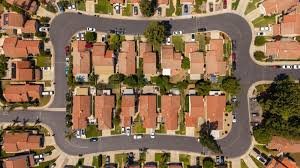
Buying a home is one of the most significant financial milestones in a person’s life. However, for most people, the cost of real estate is far beyond their immediate savings. This is where mortgages come into play. A mortgage is essentially a loan specifically designed to purchase real estate, where the property itself serves as collateral.
Navigating the world of home loans can feel overwhelming with all the jargon and fluctuating interest rates. Whether you are a first-time homebuyer or looking to refinance, understanding the basics is key to making a smart financial decision.
Common Types of Mortgages
Depending on your financial situation and long-term goals, different mortgage structures may be more beneficial than others. Here are the most common options:
- n
- Fixed-Rate Mortgages: The interest rate remains the same for the entire life of the loan. This provides stability and predictability in your monthly payments.
- Adjustable-Rate Mortgages (ARM): These loans start with a lower introductory rate that can change periodically based on market conditions. While they can save you money initially, they carry the risk of payments increasing over time.
- Government-Backed Loans: Programs like FHA loans or VA loans are designed to help buyers with lower credit scores or smaller down payments.
- Jumbo Loans: These are used for properties that exceed the conforming loan limits set by the government, typically for high-end luxury homes.
Key Terms Every Borrower Should Know
To avoid surprises during the closing process, it is essential to be familiar with these terms:
- Principal: The total amount of money you borrowed from the lender.
- Interest Rate: The percentage charged by the lender for the use of the money.
- Down Payment: The upfront cash payment you make toward the purchase price.
- Equity: The difference between the market value of your home and the amount you still owe on your mortgage.
- PMI (Private Mortgage Insurance): An insurance policy that protects the lender if you default on your loan; typically required if your down payment is less than 20%.
How to Get the Best Mortgage Rates
Even a small difference in your interest rate can save you tens of thousands of dollars over the life of the loan. To secure the most competitive rates, consider the following strategies:
- Improve Your Credit Score: Lenders offer the best rates to borrowers with high credit scores. Pay down existing debts and ensure all payments are on time.
- Save for a Larger Down Payment: A higher down payment reduces the lender’s risk and can lead to lower interest rates.
- Shop Around: Don’t settle for the first offer. Compare rates from multiple banks, credit unions, and online lenders to find the best deal. You can find detailed comparisons on high-authority sites like Investopedia.
- Get Pre-Approved: A pre-approval letter shows sellers you are a serious buyer and gives you a clear idea of your budget.
Final Thoughts
Choosing the right mortgage is not just about finding the lowest rate; it’s about finding a loan that fits your lifestyle and long-term financial health. By doing your research and preparing your finances, you can step into your new home with confidence and peace of mind.