
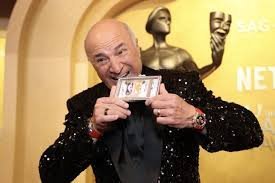
From Shark Tank to Walmart: The Surprising Spending Habits of Kevin O’Leary
Imagine having a net worth of approximately $400 million. For most, that amount of wealth would mean never stepping foot in a discount store again. However, for Canadian entrepreneur and Shark Tank investor Kevin O’Leary, the thrill of a bargain is far more appealing than the prestige of luxury spending.
In a recent social media update, O’Leary shared his latest shopping excursion at Walmart, proving that no matter how many zeros are in your bank account, saving “dough” remains a priority. From batteries and butter to his signature black jeans—which he proudly revealed cost only “29 smackaroos”—O’Leary treats every dollar with respect.
“I hate wasting money,” O’Leary previously told CNBC. “I just don’t get why you would do that. It’s so hard to make it in the first place.”
The Mindset of a Millionaire: Why Save When You Have Everything?
Despite owning multi-million dollar estates in Toronto, Florida, and Massachusetts, O’Leary’s commitment to frugality isn’t about necessity; it’s about financial discipline. He argues that there is no logical reason to pay a premium for everyday essentials when a cheaper, functional alternative exists. This mindset reflects a deeper understanding of wealth: the money spent today is capital that cannot grow tomorrow.
The Billionaire Club of Frugal Living
Kevin O’Leary is far from alone in his quest for value. Many of the world’s most successful investors have built their empires not just by earning more, but by spending less.
- Warren Buffett: The legendary investor, with a net worth exceeding $144 billion, still lives in the same Omaha home he bought in 1958 for $31,500. His morning McDonald’s routine is famously tied to the stock market—spending slightly more on a bacon, egg, and cheese biscuit only when the markets are performing well.
- Ingvar Kamprad: The late founder of IKEA was renowned for buying second-hand clothes and driving an aging Volvo, despite his billions. He believed in setting a practical example for his employees and customers.
- Lucy Guo: A modern example of this trend is Scale AI co-founder Lucy Guo. A proponent of the FIRE (Financial Independence, Retire Early) movement, the 31-year-old billionaire has a history of using discount clothing and leveraging travel hacks to minimize expenses.
Key Takeaways for Your Own Finances
While most of us aren’t managing hundreds of millions, the habits of these financial giants offer valuable lessons for anyone looking to improve their financial health:
- Avoid Lifestyle Inflation: Just because your income increases doesn’t mean your spending should.
- Value Over Brand: Focus on the utility of a product rather than the name attached to it.
- Respect the Process: Remember that earning money is difficult; spending it mindfully ensures your hard work pays off in the long run.
Whether it’s “smackaroos” at Walmart or a modest breakfast in Omaha, the message is clear: true wealth is built on the foundation of smart spending.



