
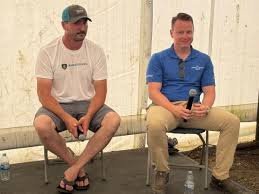
The Evolution of the Modern Farmer: More Than Just Tilling the Soil
For generations, the image of a farmer was one of manual labour, sunrise-to-sunset toil, and a deep, intuitive connection to the land. While that passion for the earth remains, the role of the farmer has undergone a radical transformation. Today, being a farmer means being a scientist, a data analyst, and an environmental steward all at once.
In Canada, where agriculture is a cornerstone of the national economy, the modern farmer is navigating a complex intersection of climate change, fluctuating global markets, and a growing demand for sustainable food sources.
The Rise of AgTech: Precision Farming in Action
The integration of technology—often referred to as AgTech—has revolutionized how food is produced. The contemporary farmer no longer relies solely on guesswork; they utilize precision agriculture to maximize efficiency and minimize waste. Key innovations include:
- n
- GPS and Satellite Imagery: Allowing farmers to map their fields with pinpoint accuracy to optimize seeding and fertilization.
- Drones and Robotics: Used for crop monitoring, pest detection, and automated harvesting, reducing the reliance on heavy machinery that compacts the soil.
- AI-Driven Analytics: Predictive software that helps the farmer decide the perfect moment to plant or harvest based on real-time weather data.
For a deeper dive into how technology is changing the industry, the Food and Agriculture Organization of the United Nations (FAO) provides extensive resources on digital agriculture.
Sustainability: The Heart of the New Agricultural Era
Modern farming is no longer just about yield; it is about sustainability. Today’s farmer is increasingly adopting regenerative practices to ensure the land remains fertile for future generations. This shift includes:
- n
- Cover Cropping: Planting non-commodity crops to prevent soil erosion and improve nutrient density.
- Reduced Tillage: Minimizing soil disturbance to sequester more carbon in the ground, helping to combat global warming.
- Integrated Pest Management (IPM): Reducing chemical reliance by using biological controls and natural predators.
These efforts are closely aligned with the goals set by Agriculture and Agri-Food Canada, which promotes the development of a sustainable and competitive agricultural sector.
The Challenges and Rewards of the Profession
Despite the technological leaps, the life of a farmer remains challenging. From unpredictable weather patterns caused by climate change to the pressures of global supply chains, the risks are high. However, the reward is the fundamental satisfaction of feeding the population and preserving the natural landscape.
Supporting your local farmer is not just about buying fresh produce; it’s about investing in a resilient food system that values quality, ethics, and environmental health.
Conclusion
The farmer of the 21st century is a visionary leader. By blending traditional wisdom with cutting-edge technology, they are ensuring that the world can eat healthily without compromising the planet. As we move forward, the synergy between innovation and nature will be the key to global food security.



