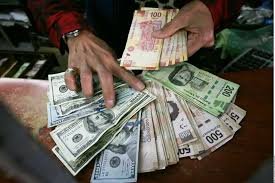
The Mexican Peso (MXN): A Comprehensive Guide to Trends and Investment
In the volatile world of foreign exchange, the Mexican Peso (MXN) has emerged as one of the most watched currencies for traders, investors, and businesses alike. As a key indicator of economic health in Latin America, understanding the movements of the peso is essential for anyone looking to navigate the North American financial landscape.
Understanding the Mexican Peso (MXN) Exchange Rate
The value of the Mexican Peso is influenced by a complex interplay of domestic policies and international pressures. Because Mexico has a highly open economy, the MXN is particularly sensitive to changes in global trade and investor sentiment.
Key factors that typically drive the exchange rate include:
- Interest Rate Differentials: Decisions made by the Bank of Mexico (Banxico) regarding interest rates often attract or repel foreign capital.
- Trade Agreements: The strong integration with the US economy via the USMCA (United States-Mexico-Canada Agreement) makes the peso a proxy for North American trade health.
- Commodity Prices: As a major exporter, shifts in oil prices and manufacturing demand can significantly impact currency strength.
For real-time tracking of these fluctuations, many professionals rely on authoritative sources like Bloomberg to monitor market volatility.
The Rise of ‘Nearshoring’ and the Peso
One of the most significant trends driving the Mexican Peso recently is nearshoring. This process involves companies moving their production closer to the end consumer—in this case, shifting operations from Asia to Mexico to serve the US market.
This shift brings a surge of Foreign Direct Investment (FDI) into Mexico, increasing the demand for the local currency. As factories are built and infrastructure is upgraded, the long-term outlook for the MXN remains a focal point for global strategists.
Practical Tips for Investors and Travelers
Whether you are a digital nomad heading to Mexico City or a forex trader looking for a swing trade, managing your exposure to the Mexican Peso requires a strategic approach.
Here are a few recommendations:
- Monitor the USD/MXN Pair: Since the US Dollar is the most influential counterpart, keep a close eye on Federal Reserve announcements.
- Use Reliable Conversion Tools: Avoid airport kiosks. Utilize platforms like XE.com to find the mid-market rate before exchanging your funds.
- Diversify Your Portfolio: While the peso can offer high returns during periods of stability, its status as an emerging market currency means it carries higher volatility than the Euro or Yen.
Conclusion: Is the Mexican Peso a Good Bet?
The Mexican Peso continues to be a dynamic asset. While it offers exciting opportunities due to the nearshoring boom and competitive interest rates, it requires a disciplined approach to risk management. By staying informed on macroeconomic trends and trade policies, you can leverage the MXN to enhance your financial strategy.
Disclaimer: This content is for informational purposes only and does not constitute financial advice. Always consult with a certified financial advisor before making investment decisions.