
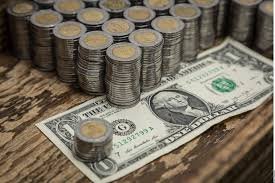
Understanding the Mexican Peso (MXN): A Key Player in Emerging Markets
The Mexican Peso (MXN) has become one of the most watched currencies in the global forex market. Whether you are an investor, a business owner looking to expand into Latin America, or a traveler planning a trip to Mexico City, understanding the dynamics of the peso is crucial.
In recent years, the MXN has shown remarkable resilience, often acting as a proxy for emerging market sentiment. But what exactly is driving its value, and why is it currently a hot topic in financial circles?
The Rise of “Nearshoring” and the Mexican Economy
One of the most significant catalysts for the Mexican Peso’s strength is the phenomenon known as nearshoring. As global companies move their manufacturing bases away from Asia to be closer to the United States market, Mexico has emerged as the primary beneficiary.
- n
- Strategic Location: Shared borders with the US make logistics faster and cheaper.
- Trade Agreements: The USMCA provides a stable legal framework for trade and investment.
- Industrial Growth: An increase in foreign direct investment (FDI) leads to higher demand for the peso, pushing its value upward.
Factors Influencing the MXN Exchange Rate
Several macroeconomic factors determine whether the Mexican Peso strengthens or weakens against the US Dollar (USD). To navigate the market, keep an eye on the following:
1. Banxico’s Interest Rate Policies
The Bank of Mexico (Banxico) often maintains higher interest rates compared to the US Federal Reserve to combat inflation. This “interest rate differential” attracts carry-trade investors, who borrow in low-interest currencies to invest in the high-yielding peso.
2. Commodity Prices and Remittances
Mexico is heavily influenced by oil prices and the massive flow of remittances sent by Mexicans living abroad, particularly in the US. These inflows provide a steady source of foreign currency, supporting the peso’s stability.
3. Political Stability and Trade Relations
Because the Mexican economy is so deeply integrated with the US, any shift in US trade policy or political tension can lead to immediate volatility in the MXN exchange rate.
Tips for Managing Your Mexican Peso Transactions
If you are dealing with the MXN, consider these strategic tips to optimize your finances:
- Use Specialized Forex Platforms: Avoid airport exchange kiosks, which typically offer poor rates. Use digital platforms or reputable banks.
- Monitor Economic Calendars: Stay updated on Bloomberg’s currency markets to time your exchanges during periods of strength.
- Diversify Your Portfolio: For investors, the MXN can be a volatile but rewarding addition to a diversified emerging market portfolio.
Final Thoughts
The Mexican Peso is more than just a currency; it is a reflection of Mexico’s growing role in the global supply chain. With the continued trend of nearshoring and strategic monetary policies, the MXN is poised to remain a focal point for global finance.



