
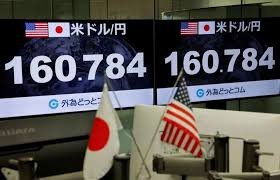
Understanding the Japanese Yen: Trends, Opportunities, and Economic Impact
In the volatile world of global finance, few currencies capture as much attention as the Japanese Yen (JPY). Whether you are a seasoned investor, a digital nomad, or someone planning a dream vacation to Tokyo, understanding the fluctuations of the Yen is crucial for making smart financial decisions.
But why has the Japanese Yen been in the spotlight recently? Let’s dive into the factors driving its value and how you can navigate this economic landscape.
The Core Drivers of the Japanese Yen’s Value
The value of the Yen is rarely stagnant, and its current trajectory is largely influenced by the divergence in monetary policies between major global economies.
- n
- Interest Rate Differentials: While the US Federal Reserve and the European Central Bank have raised rates to combat inflation, the Bank of Japan (BoJ) has historically maintained ultra-low or negative interest rates to stimulate growth.
- The Carry Trade: This phenomenon occurs when investors borrow Yen at low costs to invest in higher-yielding assets elsewhere, putting downward pressure on the JPY.
- Safe-Haven Status: Traditionally, the Yen is viewed as a “safe-haven” currency. In times of global geopolitical instability, investors often flock to the Yen, causing its value to spike.
What a Weak Yen Means for Travelers and Shoppers
For many Canadians and international tourists, a weaker Japanese Yen is a welcome sight. When the JPY drops relative to the CAD or USD, your purchasing power increases significantly. This makes Japan an incredibly attractive destination for:
- Budget Travel: Hotels, dining, and transportation become more affordable.
- Luxury Shopping: High-end electronics, fashion, and traditional crafts are effectively “on sale” for foreign currency holders.
- Real Estate: There has been a surge in foreign interest in Japanese properties due to the favorable exchange rates.
Investment Implications: Risks and Rewards
From a business perspective, the Japanese Yen presents a complex set of challenges and opportunities. While a weak Yen helps Japanese exporters (like Toyota or Sony) by making their goods cheaper and more competitive abroad, it increases the cost of imports, particularly energy and food, which can fuel domestic inflation.
According to market analysis from Reuters, investors are closely watching for any signals from the Bank of Japan regarding a pivot toward tighter monetary policy, as this could trigger a rapid appreciation of the currency.
Final Thoughts: How to Navigate the JPY Market
Whether you are looking to trade Forex or simply save for a trip to Osaka, the key is to stay informed. The Japanese Yen is a barometer for global risk appetite and monetary policy shifts.
Pro Tip: If you are planning to spend in Japan, consider using a multi-currency account or a travel card to lock in favorable rates when the Yen dips, ensuring you get the most value for your money.
Stay tuned to our business section for more updates on global currency trends and investment strategies.



