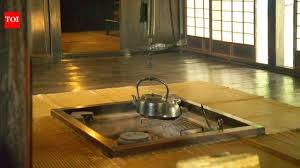
Discover the Mystery of Akiya: Japan’s Forgotten Houses
Imagine owning a traditional home in the heart of the Japanese countryside for the price of a used car—or sometimes, even for free. This isn’t a dream; it’s the reality of Akiya. These are abandoned houses scattered across Japan, creating a unique opportunity for adventurous buyers and real estate enthusiasts.
But what exactly are these houses, and why are they available at such unbelievably low prices? Let’s dive into the phenomenon that is reshaping the Japanese landscape.
What Exactly are Akiya Houses?
The term Akiya literally translates to “empty house.” Throughout Japan, millions of residential properties have been left vacant. From rustic farmhouses in the mountains to smaller homes in quiet suburbs, these properties are a byproduct of a complex mix of social and economic factors.
Why Are So Many Houses Being Abandoned?
- n
- Aging Population: Japan has one of the oldest populations in the world. As elderly homeowners pass away, their children—who have often moved to big cities—have little interest in maintaining a rural property.
- Urban Migration: The magnetic pull of Tokyo and Osaka has left rural villages depleted, leaving beautiful homes without residents.
- Taxation Laws: In many cases, it is cheaper for an owner to leave a house abandoned than to demolish it and pay the associated taxes on vacant land.
The Allure and the Challenge of Buying an Akiya
For many, the idea of purchasing one of these cheap houses in Japan is an exciting prospect. However, it’s not as simple as signing a contract and moving in. Prospective buyers should consider both the perks and the pitfalls.
The Pros:
- Affordability: Some properties are listed for incredibly low sums, making international homeownership accessible.
- Cultural Heritage: Many Akiya feature stunning traditional architecture and craftsmanship.
- Peace and Quiet: These homes offer a slow-paced lifestyle far removed from the chaos of urban centers.
The Cons:
- Renovation Costs: Many of these houses have been empty for decades. Fixing roofs, plumbing, and structural issues can be expensive.
- Legal Hurdles: Navigating Japanese property laws and land titles can be complex for non-residents.
- Community Integration: Moving into a small village requires a commitment to integrating into the local culture and community.
How to Get Started
If you are interested in exploring these unique properties, it is recommended to look into official Akiya banks—government-run databases that list vacant homes available for purchase or rent in specific municipalities.
Additionally, consulting with a real estate expert specialized in Japanese living and property is crucial to ensure your investment is secure and legal.
Final Thoughts
Akiya houses represent more than just real estate; they are a snapshot of Japan’s changing demographics. Whether you are looking for a vacation retreat or a permanent change of pace, these abandoned houses offer a window into a different way of life. Are you brave enough to breathe new life into a forgotten Japanese home?