
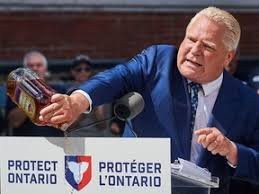
The Global Trade War: Understanding the Economic Tug-of-War and Its Impact
In an increasingly interconnected world, the term trade war has shifted from a textbook economic concept to a daily headline. But what does it actually mean when superpowers clash over tariffs and trade deficits, and why should the average consumer care? Whether you are an investor, a business owner, or someone simply watching the prices at the grocery store, the ripples of a trade war reach everyone.
What Exactly is a Trade War?
At its core, a trade war occurs when one country imposes tariffs or trade barriers on imports from another country, prompting the affected nation to retaliate with its own barriers. This cycle of “tit-for-tat” measures is usually designed to protect domestic industries, reduce trade deficits, or exert political pressure.
While the goal is often to strengthen the home economy, the reality is more complex. When tariffs are applied, the cost of importing goods increases, which often leads to higher prices for the end consumer—a phenomenon that can fuel inflation across various sectors.
The Domino Effect: Why It Matters to You
The consequences of a trade war are rarely confined to the governments involved. Instead, they create a domino effect that disrupts the global marketplace. Here are the primary ways these conflicts manifest in daily life:
- n
- Price Hikes: When raw materials (like steel or aluminum) become more expensive due to tariffs, companies pass those costs on to consumers.
- Supply Chain Disruptions: Modern manufacturing relies on “just-in-time” delivery. A trade war can break these links, leading to shortages of critical components.
- Market Volatility: Uncertainty is the enemy of investment. Trade tensions often lead to fluctuations in stock markets and currency exchange rates.
- Shift in Trade Partners: Countries may move away from traditional allies to find new, cheaper sources of goods, permanently altering global diplomacy.
The Role of Tariffs in Modern Geopolitics
Tariffs are the primary weapon in any trade war. By taxing imported goods, a government makes foreign products less competitive compared to locally produced ones. However, this strategy can be a double-edged sword. While it may save some local jobs in the short term, it can alienate international partners and invite retaliation that hurts the country’s most successful exporters.
For more in-depth analysis on global trade regulations, the World Trade Organization (WTO) provides comprehensive data on how these disputes are mediated on an international scale.
Looking Ahead: Is There a Path to Stability?
Ending a trade war requires more than just removing tariffs; it requires diplomatic negotiation and a willingness to compromise on trade imbalances. Organizations like the International Monetary Fund (IMF) often warn that prolonged trade conflicts can stifle global GDP growth and hinder technological innovation.
As we move forward, the focus is shifting toward resilience rather than just efficiency. Companies are now diversifying their supply chains—a strategy known as “China Plus One”—to ensure that a single geopolitical conflict cannot bring their entire operation to a halt.
Final Thoughts
The dynamics of a trade war are complex, blending economics with national security and political prestige. While the headlines may seem distant, the impact is felt in every transaction and every product we buy. Staying informed about these trends is essential for navigating the economic landscape of the 21st century.



