
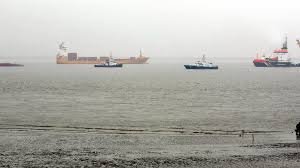
The Unsung Heroes of Global Commerce
Ever wondered how that smartphone in your pocket or the coffee in your mug reached your home? The answer lies in the massive, steel titans of the sea: cargo ships. These maritime giants are the backbone of international trade, transporting over 80% of the world’s goods by volume.
From the bustling ports of Vancouver to the shipping hubs of Asia, the efficiency of the cargo ship industry dictates the flow of the global economy, influencing everything from consumer prices to national security.
Types of Cargo Ships: Not All Vessels Are Created Equal
Depending on the nature of the goods being transported, different types of ships are utilized to ensure safety and efficiency. Here are the most common types:
- n
- Container Ships: The most recognizable of all, these ships carry standardized metal boxes (containers). They are the primary drivers of the consumer goods market.
- Bulk Carriers: Designed to transport loose cargo in large quantities, such as grain, coal, or iron ore.
- Tankers: Specialized vessels built to move liquids, primarily crude oil, chemicals, and liquefied natural gas (LNG).
- Ro-Ro Ships (Roll-on/Roll-off): These act like floating parking garages, specifically designed to carry wheeled cargo like cars, trucks, and trailers.
The Logistics Behind the Journey
Operating a cargo ship is a feat of precision engineering and complex logistics. It isn’t just about sailing from point A to point B; it involves a synchronized dance between ship captains, port authorities, and supply chain managers.
The integration of just-in-time delivery systems means that any delay—whether due to weather or port congestion—can cause a ripple effect across the entire global supply chain. This is why investment in port infrastructure and digitalization is more critical than ever.
The Future of Shipping: Green and Autonomous
The maritime industry is currently facing a pivotal turning point. With increasing pressure to reduce carbon emissions, the industry is shifting toward sustainable shipping.
Key innovations include:
- Alternative Fuels: Exploration of ammonia, hydrogen, and methanol to replace heavy fuel oil.
- Wind-Assisted Propulsion: The return of sails, but in the form of high-tech rotors and rigid wings.
- Autonomous Vessels: The development of AI-driven ships to optimize routes, reduce human error, and increase fuel efficiency.
For more information on international shipping regulations and safety standards, you can visit the International Maritime Organization (IMO), the global standard-setting authority for the safety, security, and environmental performance of international shipping.
Conclusion
The cargo ship is more than just a vehicle; it is the pulse of global connectivity. As we move toward a more sustainable future, these vessels will continue to evolve, ensuring that the world remains connected and the global economy continues to thrive.
Whether it is through technological breakthroughs or greener energy, the evolution of the shipping industry is a journey that affects every single one of us.



