
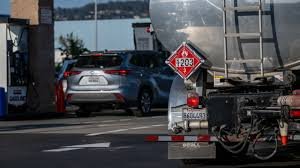
The Future of Natural Gas: A Bridge to a Sustainable Energy Era?
In the global quest for a cleaner planet, the conversation around gas—specifically natural gas—has become increasingly complex. Once hailed as the perfect “bridge fuel,” natural gas now finds itself at the center of a heated debate between immediate energy security and long-term climate goals.
What is Natural Gas and Why Does it Matter Today?
Natural gas consists primarily of methane and is found deep underground. For decades, it has been a cornerstone of industrial power and home heating. Compared to coal, natural gas emits significantly less carbon dioxide when burned, which is why many nations shifted their infrastructure toward gas to lower their initial carbon footprint.
However, as we move toward a greener economy, the focus has shifted from simple combustion to the entire lifecycle of the fuel, including the critical issue of methane leaks during extraction and transport.
The Rise of LNG: Transforming Global Energy Trade
One of the most significant technological leaps in the industry is the development of Liquefied Natural Gas (LNG). By cooling gas to approximately -162°C, it turns into a liquid, making it easy to transport across oceans in massive tankers.
- n
- Energy Independence: LNG allows countries to diversify their energy sources, reducing reliance on single-pipeline suppliers.
- Market Flexibility: It creates a global commodity market, stabilizing prices during regional shortages.
- Infrastructure Growth: The surge in LNG terminals is reshaping the geopolitical landscape of energy.
Balancing Gas Usage with Net-Zero Goals
The big question remains: Can gas truly be a bridge to renewables? To achieve the goals set by the International Energy Agency (IEA), the industry must evolve. This evolution involves two main pillars:
- Decarbonization: Implementing Carbon Capture and Storage (CCS) technologies to trap emissions before they reach the atmosphere.
- Hydrogen Integration: Using existing gas pipelines to transport hydrogen, a zero-emission fuel, effectively “greening” the existing infrastructure.
Pros and Cons of Natural Gas in the Modern Era
| Advantages | Challenges |
|---|---|
| Lower CO2 emissions than coal/oil | Methane leakage during production |
| Highly reliable base-load power | Dependence on fossil fuel extraction |
| Existing widespread infrastructure | Price volatility in global markets |
Conclusion: The Path Forward
While the world strives for a 100% renewable grid, the role of gas remains pivotal for stability and industrial transition. The key to a sustainable future lies in transparency, the reduction of methane leaks, and the aggressive pursuit of hydrogen technology. For more detailed data on energy consumption trends, you can visit the U.S. Energy Information Administration (EIA).
The energy transition is not a switch, but a journey. Natural gas, if managed responsibly, remains a critical tool in that transition.



