The Future of Freshness: The Ultimate Guide to Modern Supermarket Freezers
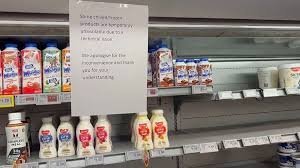
The Future of Freshness: The Ultimate Guide to Modern Supermarket Freezers
In the competitive world of retail, the quality of frozen goods can make or break a customer’s loyalty. Supermarket freezers are no longer just cold boxes; they are sophisticated pieces of engineering designed to balance energy efficiency, product visibility, and food safety. Whether you are upgrading an existing store or designing a new layout, understanding the latest in commercial refrigeration is essential.
Why Investing in High-Quality Supermarket Freezers Matters
For grocery retailers, refrigeration is often one of the highest operational costs. However, cutting corners on equipment can lead to disastrous results, including food spoilage and increased energy bills. Modern systems focus on three core pillars:
- n
- Temperature Stability: Ensuring that frozen foods remain at a constant temperature to prevent the growth of bacteria and maintain texture.
- Energy Efficiency: Reducing the carbon footprint and lowering monthly utility costs through smarter compressors and better insulation.
- Customer Experience: Improving accessibility and visibility so customers can find what they need quickly.
Types of Commercial Freezers for Retail
Depending on your store’s layout and the types of products you sell, different types of supermarket freezers may be required:
1. Island Freezers
Commonly found in the centre of aisles, island freezers allow customers to browse from all sides. Modern versions now feature sliding glass lids to trap cold air, significantly reducing energy waste compared to open-top models.
2. Reach-In Upright Freezers
Ideal for maximizing vertical space, these units are perfect for pre-packaged frozen meals and desserts. They provide a clean, organized look and are easier for staff to stock.
3. Chest Freezers
Often used for bulk items, these are highly efficient at maintaining low temperatures but offer less visibility than upright models.
The Shift Toward Sustainable Refrigeration
The industry is currently undergoing a “green revolution.” Many Canadian retailers are moving away from traditional HFCs (hydrofluorocarbons) toward natural refrigerants like CO2. This shift not only helps the environment but also aligns with global sustainability goals.
To learn more about energy standards for commercial equipment, you can visit Energy Star, which provides guidelines on choosing the most efficient appliances for your business.
Maintenance Tips for Peak Performance
To ensure your supermarket freezers operate at maximum efficiency, follow these best practices:
- Regular Coil Cleaning: Dust and debris can clog condenser coils, forcing the motor to work harder and increase energy consumption.
- Seal Inspection: Check door gaskets regularly. A leaking seal allows cold air to escape and warm air to enter, causing frost build-up.
- Optimal Airflow: Avoid overstocking shelves to the point where air cannot circulate between products.
Final Thoughts
Upgrading your refrigeration system is an investment in your business’s future. By choosing energy-efficient supermarket freezers, you not only protect your inventory but also contribute to a more sustainable retail environment while improving your bottom line.
📰 You May Also Like