
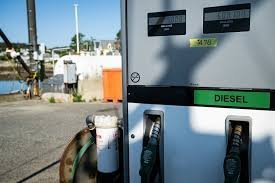
The Ever-Evolving Role of Diesel Fuel in the Global Economy
For decades, diesel fuel has been the backbone of global logistics, powering everything from heavy-duty trucks and shipping vessels to agricultural machinery and industrial generators. Its energy density and efficiency make it an indispensable asset for the movement of goods across the planet. However, the landscape is shifting as economic pressures and environmental mandates push the industry toward a new era.
Understanding Diesel Fuel Market Volatility
The price of diesel fuel is rarely static. It is influenced by a complex web of geopolitical tensions, crude oil production levels, and seasonal demand. Because diesel is critical for transportation and farming, price spikes can have a ripple effect, increasing the cost of consumer goods and food globally.
Investors and business owners closely monitor reports from authorities like the U.S. Energy Information Administration (EIA) to predict price fluctuations and manage operational costs effectively.
The Rise of Renewable Diesel and HVO
As the world moves toward decarbonization, the focus is shifting from traditional petroleum-based diesel to Renewable Diesel and Hydrotreated Vegetable Oil (HVO). Unlike traditional biodiesel, renewable diesel is chemically identical to petroleum diesel, meaning it can be used as a “drop-in” fuel without requiring engine modifications.
Key Benefits of Renewable Diesel:
- Lower Emissions: Significant reduction in greenhouse gas emissions compared to fossil diesel.
- Better Engine Performance: Higher cetane numbers often lead to cleaner combustion.
- Compatibility: Works seamlessly with existing diesel infrastructure and engines.
Pros and Cons of Modern Diesel Engines
Despite the rise of electric vehicles (EVs), diesel remains a powerhouse for specific applications. Here is a breakdown of why it persists and where it faces challenges:
- Superior torque for hauling heavy loads.
- Generally better fuel economy over long distances than gasoline.
- Longer engine lifespan due to more robust construction.
The Challenges:
- Higher initial vehicle cost.
- Stricter emissions regulations (e.g., Euro 6 or EPA standards).
- Increased pressure to transition to zero-emission alternatives.
Conclusion: What Lies Ahead?
The future of diesel fuel isn’t necessarily about disappearance, but about transformation. While passenger cars are shifting toward electricity, the heavy-duty sector will likely rely on a hybrid approach—combining advanced diesel efficiency with synthetic and renewable fuels to reach net-zero goals.
Staying informed on energy trends is crucial for any business relying on logistics. Whether it’s optimizing fleet fuel consumption or investing in renewable alternatives, the transition is already underway.



