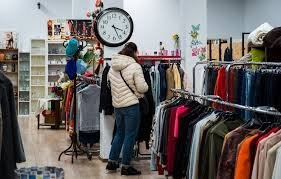
The Battle for the Rack: Local Thrift Stores vs. Digital Giants
For decades, the local thrift store (or friperie) has been the heart of sustainable fashion. From hunting for a rare 90s leather jacket to finding a designer gem for a fraction of its original price, the thrill of the hunt is unmatched. However, the landscape of second-hand shopping is shifting rapidly.
Recently, iconic institutions in the vintage world have begun to lower their shutters. The cause? A combination of changing consumer habits and the aggressive rise of digital marketplaces like Vinted and eBay. But is this the end of the physical thrift shop, or simply a necessary evolution?
The ‘Vinted Effect’: A Double-Edged Sword
Many independent boutique owners point to the “platformization” of second-hand clothing as their biggest challenge. The impact is felt in two primary ways:
- n
- Price Competition: Digital platforms allow individual sellers to undercut retail prices, making it nearly impossible for physical stores—which have rent and payroll to cover—to compete on price alone.
- The Quality Gap: Previously, high-quality vintage pieces were donated to local shops. Now, savvy sellers list their “grails” on apps to maximize profit, leaving physical stores flooded with low-quality ultra-fast fashion items that lack longevity and style.
Quality Over Quantity: The Rise of Curated Vintage
While some stores are closing, a new model is emerging. The secret to survival in today’s market is curation. Instead of selling clothes by the kilo or accepting every donation, successful modern vintage shops are acting as stylists.
By meticulously hand-picking unique pieces from flea markets and private collections, these “curated” shops offer something an algorithm cannot: expert taste and a curated aesthetic. When a store transforms from a warehouse of old clothes into a gallery of curated style, customers are more than willing to pay a premium for the convenience and quality.
The Massive Growth of the Circular Economy
Despite the struggle of small boutiques, the overall appetite for second-hand fashion is exploding. The global second-hand market is growing at an annual rate of approximately 10%, with projections suggesting it could exceed $300 billion in the coming years.
This growth is a testament to the global shift toward the circular economy, where sustainability is no longer a niche preference but a mainstream demand. The market is consolidating, with big players dominating the volume, while small players must dominate the experience.
How Independent Thrift Stores Can Win
To survive in a saturated market, local business owners are encouraged to pivot their strategy. Here are three key pillars for success:
- Brand Identity: Develop a strong, recognizable aesthetic that attracts a specific tribe of fashion enthusiasts.
- Customer Experience: Create an immersive in-store environment that makes shopping feel like an event rather than a chore.
- Storytelling: Every vintage piece has a history. Sharing the narrative behind a garment adds emotional value that digital listings lack.
The friperie isn’t dying; it’s evolving. By blending the charm of physical discovery with a high-standard curation process, local thrift stores can continue to be the vanguard of sustainable fashion in Canada and beyond.