
The Battle Over Your Grocery Bill: Government vs. Supermarkets
For millions of households, a trip to the supermarket has become a source of anxiety rather than a routine chore. As global tensions rise and the cost of living continues to climb, the spotlight has shifted toward how big retailers price their essential goods.
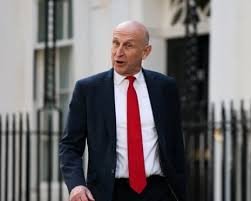
UK Chancellor John Healey has recently issued a stern warning to major retailers and fuel stations: the government is keeping a close watch to ensure the public isn’t being “taken for a ride.” While there is currently no definitive evidence of widespread price gouging, the message is clear—profiteering during a global crisis will not be tolerated.
The Global Trigger: Why Prices are Volatile
The current economic instability is largely driven by the ongoing conflict in the Middle East. The potential closure of the Strait of Hormuz—a vital waterway through which approximately one-fifth of the world’s oil and gas flows—threatens to send shockwaves through the global economy.
According to reports from EY (Ernst & Young), a prolonged closure could lead to a sharp slowdown in GDP and potentially push the economy into a recession. For the average consumer, this translates to higher energy costs, which inevitably seep into the pricing of every item on the supermarket shelf.
The Government’s Stance vs. Retailer Reality
The tension between policymakers and business leaders is palpable. To combat inflation, there have been discussions regarding caps on food prices. However, this has sparked a fierce backlash from industry leaders who argue that such interventions are counterproductive.
- n
- The Government View: Ministers are monitoring retailers closely to prevent artificial price hikes during times of national insecurity.
- The Retailer View: CEOs, including those from Marks & Spencer, have labeled price caps as “preposterous,” arguing that they operate in one of the most competitive markets in the world.
- The BRC Perspective: The British Retail Consortium (BRC) suggests that inflation is driven more by tax increases and business rates than by retail profit margins.
What This Means for Your Wallet
The Bank of England has already warned that further escalation in global conflicts could drive inflation above 4% next year. This creates a difficult balancing act for the government: protecting consumers from predatory pricing without stifling the businesses that keep the food supply chain moving.
As we move forward, the competition between supermarkets remains the primary force keeping food prices low. However, with the looming threat of economic contraction, shoppers should remain vigilant and informed about how global events impact their local store prices.



