
Understanding the Strategic Petroleum Reserve: A Shield Against Energy Volatility
In an era defined by geopolitical instability and fluctuating markets, the term Strategic Petroleum Reserve (SPR) has moved from the footnotes of economic textbooks to the forefront of global news. But what exactly is it, and why does it matter to the average consumer or business owner in Canada and beyond?
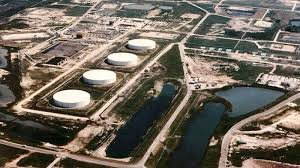
At its core, a Strategic Petroleum Reserve is a government-managed stockpile of crude oil. These reserves act as a financial and physical insurance policy, designed to mitigate the impact of sudden supply disruptions—whether caused by natural disasters, political conflicts, or pandemics.
How Does the Strategic Petroleum Reserve Work?
The primary objective of the SPR is to ensure that a country can maintain its essential functions and keep its economy running even when oil imports are cut off. Here is how the mechanism typically functions:
- n
- Accumulation: During periods of market stability, governments purchase crude oil and store it in massive underground caverns or specialized tanks.
- Strategic Release: When a crisis hits—such as a conflict in oil-producing regions—the government releases millions of barrels into the market.
- Price Stabilization: By increasing the immediate supply, the SPR helps prevent “price shocks,” keeping fuel costs from skyrocketing overnight.
The Geopolitical Impact of Oil Reserves
The Strategic Petroleum Reserve is more than just a warehouse of oil; it is a tool of diplomacy and national security. When the International Energy Agency (IEA) coordinates a collective release of reserves among member nations, it sends a powerful signal to speculators and producers that the world has enough supply to weather the storm.
Recent global events have highlighted how crucial these reserves are. From the tensions in Eastern Europe to supply chain bottlenecks, the ability to tap into the SPR can prevent an energy crisis from spiraling into a full-blown economic recession.
Canada’s Role in the Global Energy Landscape
While countries like the United States maintain massive, centralized reserves to protect against import losses, Canada’s position is unique. As one of the world’s largest producers of crude oil, Canada focuses more on infrastructure resilience and market access.
For Canadian businesses and policymakers, monitoring the SPR of major trading partners is essential. When the US SPR is depleted or replenished, it directly influences the price points and demand for Canadian heavy crude, impacting the national GDP and the energy sector’s investment climate.
The Future of Energy Reserves in a Green Transition
As the world shifts toward renewable energy, a critical question arises: Is the Strategic Petroleum Reserve still relevant?
The answer is yes, but the strategy is evolving. The transition to a low-carbon economy is not instantaneous. Until electric vehicles and green hydrogen are fully scalable, the world still relies heavily on liquid fuels. Therefore, the SPR remains a necessary safety net to prevent economic chaos during the transition period.
Key Takeaways:
- Security: The SPR protects nations from energy blackmail and supply shocks.
- Stability: It helps keep gas prices manageable during global crises.
- Strategy: It serves as a critical tool for the U.S. Department of Energy and other global entities to manage market volatility.
Whether you are an investor, a business leader, or a concerned citizen, understanding the Strategic Petroleum Reserve provides vital insight into the forces that drive the cost of living and the stability of the global economy.



