
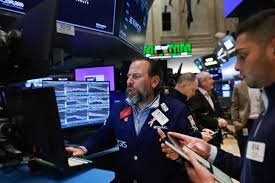
S&P 500’s Wild Ride: Unpacking AI Bubble Fears and Fed Rate Uncertainty
Wall Street experienced a dramatic U-turn recently, as initial market euphoria quickly gave way to a renewed wave of caution and selling pressure. What began as a hopeful “redemption day” for a sagging stock market swiftly transformed into a “reckoning day,” leaving investors questioning the stability of the burgeoning AI bubble and the Federal Reserve’s next move on interest rates.
From Euphoria to Unease: The Market’s Sudden Shift
The trading day kicked off with an optimistic surge, with all three major stock indexes, including the S&P 500, climbing sharply. At one point, the Dow Jones Industrial Average was up over 700 points, signaling widespread relief among traders. However, this rally proved fleeting. By late morning, the positive momentum evaporated, and sentiment—along with market performance—took a decisive negative turn by midday.
The abrupt reversal left many pondering: what triggered this sudden shift? The answer lies in investors’ deeper re-evaluation of what they thought they had learned.
The AI Conundrum: Is Nvidia’s Growth Sustainable?
A major catalyst for the initial optimism was the much-anticipated quarterly earnings report from Nvidia. The tech giant’s results were nothing short of spectacular, prompting initial cheers about the strength of the artificial intelligence sector. However, this blow-out performance paradoxically ignited a new fear: had Nvidia, the world’s most valuable company and a key player in high-end AI chips, reached an unsustainable peak?
Market strategists like Michael Block of Third Seven Capital highlighted the dilemma: “People are trying to figure out A.) What’s better than off the charts in terms of what Nvidia can say from here and realizing that there’s no reward at these levels and B.) how the Fed can cut if jobs numbers are really better.” The concern wasn’t just about Nvidia’s future growth slowing, but also the potential overinflation of other, less powerful companies within the AI market. This collective doubt suggested that Nvidia’s impressive earnings hadn’t truly answered the deeper questions about the sustainability of the AI rally.
The Fed’s Shadow: Jobs Report and Interest Rate Cuts
Adding another layer of complexity was a particularly perplexing jobs report. While the headline figures showed stronger-than-expected hiring, suggesting an end to the early-summer slowdown, a closer look revealed nuances. The rise in the unemployment rate, for instance, could be attributed to more workers re-entering the labor force after the summer, rather than a weakening economy. This ambiguity created a difficult scenario for the Federal Reserve.
If the Fed were to interpret this data optimistically, especially following minutes from its last meeting that showed significant resistance to another rate cut, then the eagerly awaited December interest rate cut might not materialize. This realization further dampened investor spirits, as hopes for lower borrowing costs were pushed further out of reach.
A Return to “Extreme Fear”: S&P 500’s Slide Continues
By the end of the trading week, the market largely found itself back where it started, with the S&P 500 continuing its slide, now down more than 5% from its pre-Halloween all-time high. The broader market was on track for its worst week in seven months, with even Bitcoin seeing a significant dip below $85,000, reaching its lowest level since April and heading for its worst month since 2022.
Investor sentiment indicators mirrored the market’s unease:
- The CNN Fear & Greed Index plunged into “extreme fear” mode, hitting its lowest point since April.
- The VIX volatility index spiked to 27, reflecting heightened market uncertainty and risk aversion.
Until clear, satisfactory answers emerge regarding the longevity of the AI boom and the Federal Reserve’s definitive stance on interest rates, further market volatility is highly probable. With upcoming holiday seasons, delayed government data, and the winding down of earnings season, clarity may remain elusive for some time.



