South Africa AGOA Trade Risks: What You Need to Know
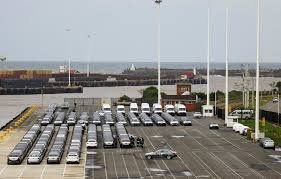
Understanding the Stakes: South Africa and the Risks of AGOA Trade Eligibility
For years, the African Growth and Opportunity Act (AGOA) has served as a cornerstone for trade between sub-Saharan Africa and the United States. For South Africa, this legislation has been more than just a trade agreement; it has been a vital economic lifeline, allowing duty-free access to one of the world’s largest consumer markets. However, the landscape is shifting, and South Africa AGOA trade risks have become a central topic for policymakers and investors alike.
What is AGOA and Why Does it Matter?
AGOA is a U.S. trade program designed to encourage economic growth in sub-Saharan Africa by providing preferential market access. By eliminating tariffs on thousands of products, the U.S. encourages investment and job creation across the continent. South Africa remains one of the largest beneficiaries of this act, exporting significant volumes of automotive parts, agricultural products, and minerals.
The Core Risks: Why is Eligibility Under Threat?
Trade eligibility under AGOA is not guaranteed; it is subject to periodic reviews by the U.S. government. Currently, several factors are contributing to the perceived risks for South Africa:
- n
- Geopolitical Tensions: Divergent views on global conflicts and diplomatic alignments—particularly regarding relations with Russia and China—have created friction between Pretoria and Washington.
- Diplomatic Friction: Recent legal challenges and international court cases involving the U.S. and South Africa have strained bilateral ties, leading to concerns that trade preferences could be used as political leverage.
- Compliance and Governance: The U.S. evaluates countries based on their commitment to the rule of law, human rights, and market-based economic policies. Any perceived regression in these areas can trigger a review of eligibility.
The Potential Economic Impact of Losing AGOA Status
If South Africa were to lose its AGOA eligibility, the economic repercussions would be immediate and severe. The most vulnerable sectors include:
- The Automotive Industry: A massive portion of South African vehicle exports are destined for the U.S. duty-free. The introduction of tariffs would make these vehicles less competitive.
- Agricultural Exports: From citrus to wine, farmers relying on the U.S. market would face higher costs and lower margins.
- Employment: Thousands of jobs tied directly to export-oriented industries could be at risk, potentially increasing unemployment rates in key manufacturing hubs.
Strategic Mitigation: How to Navigate the Uncertainty
To mitigate these trade risks, experts suggest that South Africa should pursue a multi-pronged strategy. First, strengthening diplomatic channels with the U.S. administration is crucial to resolve misunderstandings. Second, diversifying export markets—increasing trade with the EU, Asia, and other African nations through the African Continental Free Trade Area (AfCFTA)—can reduce over-reliance on a single partner.
Final Thoughts
While the threat to AGOA eligibility is a serious concern, it also serves as a wake-up call for South Africa to diversify its economic partnerships and reinforce its commitment to global trade standards. Balancing national sovereignty with strategic economic alliances will be the key to ensuring long-term stability.
For more detailed information on international trade regulations, you can visit the World Trade Organization (WTO) official website.
📰 You May Also Like