Preparing for the 2026 Tax Season: Is the CRA AI Chatbot Your New Best Friend?
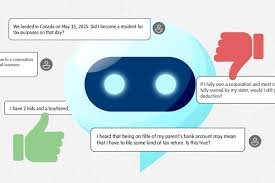
As the April 30 tax deadline looms closer, millions of Canadians are looking for the most efficient ways to file their returns, claim every possible credit, and avoid the dreaded audit. For years, the primary solution was waiting on hold for hours with the Canada Revenue Agency (CRA) call centres. However, the CRA is pivoting toward a digital-first approach to solve this bottleneck.Enter the CRA’s AI-powered chatbot. Launched during the 2025 season and evolved for 2026, this tool aims to provide instant answers to complex tax queries using large language models (LLMs), similar to the technology behind ChatGPT and Gemini.
How the CRA AI Bot Differs from General AI
While tools like ChatGPT pull information from the vast expanse of the open web, the CRA chatbot is designed with a strict boundary: it only relies on official government-provided information. This is intended to reduce “hallucinations” and ensure that the advice given is rooted in Canadian tax law.
You can find the bot as a floating robot icon in the bottom right corner of various CRA webpages. From there, you can ask questions regarding:
- Individual income taxes and personal benefits.
- Business tax obligations.
- Trusts and registered charities.
The Litmus Test: Does it Actually Work?
To see if the bot is reliable, tax expert Joseph Devaney, a Chartered Professional Accountant (CPA), put the system to the test. His findings provide a nuanced perspective for taxpayers.
The Good News: Speed and Accessibility
Overall, Devaney described the bot as “pretty good.” Its primary advantage is speed. For basic queries, it is significantly faster than navigating a phone menu and waiting for a human agent. Because the interaction is written, users can review the answers and dig deeper into specific points at their own pace.
The Red Flags: Incompleteness and Inconsistencies
However, the bot isn’t perfect. Devaney noted a few critical areas where the AI stumbled:
- Incomplete Answers: When asked about newcomers to Canada, the bot missed specific triggers for filing, such as the sale of foreign property or investments.
- Accuracy Glitches: In one instance, the bot provided an incorrect payment deadline for a corporation, only to provide the correct answer when asked the exact same prompt a few minutes later.
- Context Blindness: The bot struggled with vague questions. For example, it failed to mention new bare trust reporting rules when asked about being on a parent’s bank account—an area where general AI like ChatGPT actually performed better.
Expert Verdict: Use a “Pebble of Salt”
The CRA maintains that the bot’s performance depends heavily on the prompt. Vague questions lead to vague answers. While the agency is working on implementing clarifying questions to improve accuracy, the current warning remains: taxpayers use the chatbot’s information at their own risk.
Joseph Devaney suggests that while the bot is a helpful starting point, you shouldn’t trust it blindly. If a human agent misses a detail on the phone, you might never know. With the bot, you can see the error in writing, but you still need the expertise to spot it. His advice? Take the AI’s answers with “a pebble of salt.”
Quick Tips for Using the CRA Chatbot Effectively
- Be Specific: Avoid broad questions. Instead of “Do I need to file?”, try “Do I need to file a tax return as a new resident of Canada who sold property abroad?”
- Cross-Reference: Always verify critical deadlines or credit eligibility on the official CRA Tax Services page.
- Consult a Professional: For complex business structures or trust reporting, a CPA is still irreplaceable.