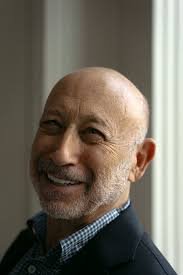
Lloyd Blankfein: A Defining Figure in Modern Finance
Lloyd Blankfein is a name synonymous with the power and influence of Wall Street. As the former Chairman and CEO of Goldman Sachs, he navigated the firm through the tumultuous years of the 2008 financial crisis and beyond, leaving an indelible mark on the global financial landscape. This article delves into his career, leadership style, and current perspectives.
Early Life and Career at Goldman Sachs
Born in 1955, Blankfein’s journey to the top of the financial world began with a degree from Harvard University and a law degree from New York University School of Law. He joined Goldman Sachs in 1982 as a sales and trading clerk, steadily climbing the ranks through hard work and strategic acumen. His early roles focused on fixed income, currencies, and commodities, providing him with a deep understanding of the intricacies of global markets. He became a partner in 1990 and eventually took the helm as CEO in 1999, succeeding Henry Paulson Jr. (who later became Treasury Secretary).
Navigating the 2008 Financial Crisis
The 2008 financial crisis presented Goldman Sachs, and Blankfein, with its greatest challenge. The firm faced intense scrutiny and criticism for its role in the mortgage-backed securities market. Blankfein led the firm through this period, making the controversial decision to convert Goldman Sachs from an investment bank to a bank holding company, allowing it to access Federal Reserve lending facilities. This move, while criticized by some, was seen as crucial to the firm’s survival. His leadership during this time was often described as decisive, though also subject to public debate. A detailed analysis of the crisis and Goldman Sachs’ role can be found at the
Federal Reserve History website.
Leadership Style and Controversies
Blankfein is known for his direct and pragmatic leadership style. He’s often described as intellectually sharp and possessing a keen understanding of risk. However, his tenure wasn’t without controversy. He faced criticism for the firm’s compensation practices, particularly the large bonuses paid to employees even during periods of financial hardship. He also navigated accusations of conflicts of interest and insider trading, though none resulted in criminal charges. His candidness, sometimes bordering on bluntness, often drew media attention.
Post-Goldman Sachs and Current Perspectives
Blankfein stepped down as CEO in 2018, handing the reins to David Solomon. Since then, he has remained a prominent voice on economic and political issues. He’s been vocal on social media, particularly Twitter (now X), offering his perspectives on topics ranging from inflation and interest rates to geopolitical events. He’s also become an active investor and advisor. His insights are often sought after by financial news outlets like
Bloomberg. He continues to be a significant figure in the financial world, offering a seasoned perspective on the challenges and opportunities facing the global economy.
The Legacy of Lloyd Blankfein
Lloyd Blankfein’s legacy is complex and multifaceted. He led Goldman Sachs through a period of unprecedented change and challenge, solidifying its position as a leading global investment bank. While his leadership was often controversial, his impact on the financial industry is undeniable. He remains a powerful and influential figure, continuing to shape the conversation around finance and the economy.