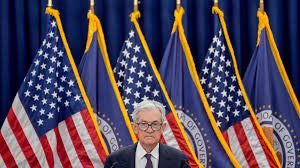
Jerome Powell: A Deep Dive into the Federal Reserve Chair’s Role
Jerome Powell is a name that resonates throughout the financial world. As the current Chair of the Federal Reserve, his decisions profoundly impact the US economy and, by extension, global markets. But who is Jerome Powell, and what exactly does he do? This article provides an in-depth look at his background, policies, and the challenges he faces in steering the American economy.
Who is Jerome Powell?
Jerome (Jay) Powell was born in Washington, D.C., and holds a bachelor’s degree from Princeton University and a law degree from Georgetown University. Before joining the Federal Reserve, Powell had a distinguished career in the private sector, working as a lawyer and investment banker at Dillon, Read & Co. and later at Carlyle Group. His experience in finance provides a unique perspective as he navigates the complexities of monetary policy.
Powell’s Tenure at the Federal Reserve
Jerome Powell was first nominated to the Federal Reserve Board of Governors by President Barack Obama in 2012 and confirmed by the Senate. He became Chairman in February 2018, nominated by President Donald Trump, and was renominated by President Joe Biden for a second term. His leadership has been marked by significant economic events, including the COVID-19 pandemic and the subsequent economic recovery.
Key Policies and Their Impact
Powell’s primary responsibility is to oversee the Federal Reserve’s monetary policy, which aims to promote maximum employment and stable prices. This is largely achieved through adjusting the federal funds rate – the target rate that banks charge each other for overnight lending. Here’s a breakdown of key policies during his tenure:
- Quantitative Easing (QE): During the COVID-19 pandemic, the Federal Reserve implemented a massive QE program, purchasing trillions of dollars in Treasury bonds and mortgage-backed securities to inject liquidity into the financial system and lower long-term interest rates.
- Interest Rate Adjustments: Powell has overseen both periods of historically low interest rates to stimulate economic growth and, more recently, aggressive interest rate hikes to combat soaring inflation.
- Inflation Targeting: The Federal Reserve operates under a flexible inflation targeting regime, aiming for an average inflation rate of 2% over time. Powell has emphasized the Fed’s commitment to achieving this goal.
Navigating Inflation and Economic Uncertainty
One of the biggest challenges facing Jerome Powell and the Federal Reserve is managing inflation. In 2022 and 2023, the US experienced its highest inflation rates in decades, driven by supply chain disruptions, increased demand, and geopolitical factors. The Fed responded with a series of aggressive interest rate hikes, aiming to cool down the economy and bring inflation under control. This approach, however, carries the risk of triggering a recession. The delicate balance between controlling inflation and maintaining economic growth is a constant tightrope walk for Powell.
The Federal Reserve’s actions are closely watched by economists and investors worldwide. Resources like the Federal Reserve Board website provide detailed information on monetary policy and economic data. Understanding these policies is crucial for anyone interested in the health of the US and global economies.
The Future Under Powell’s Leadership
Looking ahead, Jerome Powell will continue to play a pivotal role in shaping the US economic landscape. The Federal Reserve faces ongoing challenges, including the potential for further inflation, geopolitical instability, and the evolving nature of the labor market. His ability to navigate these complexities will be critical to ensuring a stable and prosperous future for the American economy.