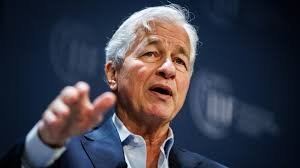
The Influence of a Banking Titan
In the high-stakes world of global finance, few names carry as much weight as Jamie Dimon. As the Chairman and CEO of JPMorgan Chase, Dimon has not only steered the largest bank in the United States through unprecedented economic turbulence but has also become a primary voice in shaping fiscal policy and market expectations worldwide.
Whether he is testifying before Congress or publishing his annual shareholder letter, Dimon’s insights are scrutinized by investors, policymakers, and economists from New York to Toronto.
Who is Jamie Dimon?
Jamie Dimon is widely regarded as one of the most capable bankers of his generation. His leadership is characterized by a relentless focus on risk management and a “fortress balance sheet” approach, which allowed JPMorgan Chase to remain resilient during the 2008 financial crisis and subsequent market shocks.
His tenure is marked by a rare combination of aggressive growth and cautious stability, making him a benchmark for leadership in the financial services industry.
Key Strategic Pillars of Dimon’s Leadership
To understand the “Dimon Effect,” one must look at the core strategies he employs to keep JPMorgan Chase at the top of the food chain:
- n
- The Fortress Balance Sheet: Maintaining high liquidity and strong capital reserves to withstand any economic “storm.”
- Technological Evolution: Investing billions into AI and cloud computing to modernize banking and compete with FinTech disruptors.
- Global Expansion: Expanding the bank’s footprint in international markets to capture growth in emerging economies.
- Pragmatic Risk Assessment: A known skeptic of “groupthink,” Dimon encourages rigorous internal debate to identify potential blind spots.
Economic Outlook: What Jamie Dimon is Warning Us About
Recently, Jamie Dimon has been vocal about the complexities of the current macroeconomic environment. He has frequently highlighted several critical risks that could impact global stability:
1. Persistent Inflation and Interest Rates
Unlike some analysts, Dimon has warned that inflation may be more stubborn than expected, potentially leading to “higher-for-longer” interest rates, which affects everything from corporate borrowing to Canadian mortgage rates.
2. Geopolitical Instability
Dimon often points to geopolitical tensions as the greatest risk to the global economy, noting that conflict and trade wars can disrupt supply chains and trigger market volatility.
3. The AI Revolution
While cautious about the risks, Dimon views Artificial Intelligence as a transformative force. He believes AI will fundamentally change how banking operates, increasing efficiency and personalization for clients.
Why His Perspective Matters for Canadians
Although based in the US, Dimon’s movements directly impact the North American corridor. Because the Canadian and US economies are so deeply integrated, a shift in JPMorgan’s strategy or a warning from Dimon regarding US treasury yields often ripples through the global financial markets, affecting Canadian banks and investors alike.
Final Thoughts
Jamie Dimon remains more than just a CEO; he is a financial oracle whose words can move markets. By balancing traditional banking wisdom with a forward-looking embrace of technology, he continues to define what it means to lead a global financial institution in the 21st century.