
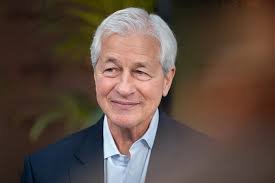
Jamie Dimon: The Powerhouse Behind JPMorgan Chase and Global Finance
In the complex world of global finance, few names carry as much weight as Jamie Dimon. As the Chairman and CEO of JPMorgan Chase, Dimon has not only steered one of the world’s largest banks through unprecedented economic turbulence but has also become a pivotal voice in international economic policy.
The Architecture of a Banking Titan
Jamie Dimon’s tenure at the helm of JPMorgan Chase is often cited as a masterclass in risk management and strategic growth. While other financial institutions crumbled during the 2008 financial crisis, Dimon’s “fortress balance sheet” approach allowed his firm to emerge stronger, acquiring failing institutions and consolidating power in the US banking sector.
His leadership style is characterized by a blend of rigorous intellectual curiosity and a direct, often outspoken, communication style. This has made him a favorite among investors and a formidable figure in Washington D.C.
Key Pillars of Jamie Dimon’s Influence
- n
- Strategic Resilience: The ability to anticipate market shifts and prepare the bank for “black swan” events.
- Economic Foresight: Dimon is frequently consulted by global leaders regarding inflation, interest rates, and geopolitical stability.
- Operational Excellence: Driving efficiency through technology and massive investments in digital banking transformation.
Navigating the Modern Economic Landscape
Today, Jamie Dimon continues to be a central figure in discussions about the future of money. From the rise of fintech and cryptocurrency to the challenges of global inflation, his perspectives often move markets. According to reports from Bloomberg, his cautious yet optimistic outlook on the US economy serves as a benchmark for many institutional investors.
Whether he is discussing the importance of infrastructure investment or the necessity of financial inclusion, Dimon’s influence extends far beyond the boardroom of a New York skyscraper.
Conclusion: A Lasting Legacy
Jamie Dimon is more than just a CEO; he is a symbol of stability and strategic prowess in an era of volatility. As the financial world evolves toward a more digital and decentralized future, the strategies implemented under his leadership will likely define the standard for banking for decades to come.



