
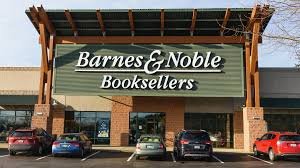
Is Barnes & Noble Closing Stores? The Truth Behind the Rumors
For many book lovers, the thought of a world without a physical sanctuary filled with the scent of old paper and ink is unthinkable. Recently, searches and discussions surrounding Barnes and Noble closing stores have spiked, leading many to wonder: Is the American bookstore giant finally bowing out to the digital revolution?
If you’ve noticed changes in your local branch or read conflicting reports online, it’s time to clear the air. Let’s dive into the current state of the company and what its strategy means for the future of reading.
The Reality: Are Stores Actually Closing?
To put it simply: Barnes & Noble is not shutting down. While the company has undergone significant restructuring over the last few years, the narrative of a mass exodus from the retail market is largely a misconception. However, the way they operate has changed drastically.
In the past, the business model relied on massive “big-box” stores with centralized corporate control. Today, the company is shifting toward a more curated approach. This means that while some underperforming locations may be closed or relocated, the focus has shifted from quantity to quality and community engagement.
Why the Rumors Persist
It is easy to see why people search for “Barnes and Noble closing stores”. The retail industry has been hit by a “retail apocalypse,” and B&N has faced several hurdles:
- n
- The Amazon Effect: The rise of e-commerce and Kindle e-books put immense pressure on physical sales.
- Past Financial Struggles: The company faced significant financial turmoil and ownership changes around 2019.
- Store Remodeling: As stores are updated to fit a new, more boutique-style model, some locations may temporarily close or change footprints.
The New Strategy: Quality Over Quantity
Under the leadership of CEO James Daunt, Barnes & Noble has pivoted toward a model that mimics successful independent bookstores. Instead of a corporate office in New York deciding every single book on every single shelf, local managers now have more autonomy to curate their inventory based on what their specific community actually wants to read.
This strategy has revitalized the brand by:
- Increasing Local Loyalty: Stores feel more like neighborhood bookstores than corporate warehouses.
- Optimizing Inventory: Reducing waste by stocking books that actually sell in specific regions.
- Improving the In-Store Experience: Enhancing the cozy, “browsable” atmosphere that digital stores cannot replicate.
Why Physical Bookstores Still Matter
Despite the convenience of digital downloads, the physical act of browsing a bookstore remains a vital cultural experience. According to market trends in consumer behavior, there is a growing movement toward “digital detoxing,” leading more people—especially Gen Z—back to physical books.
Barnes & Noble is leaning into this trend, positioning itself not just as a seller of products, but as a cultural hub for discovery and intellectual exploration.
Final Verdict
So, should you be worried about your favorite reading spot disappearing? Probably not. While the company is optimizing its footprint, the current trajectory is one of growth and adaptation rather than decline.
The next time you walk into a Barnes & Noble, take a look around. You’ll likely see a store that feels a bit more personal, a bit more curated, and very much alive.



