Iraqi Dinar Devaluation: What the New Exchange Rate Means for Iraq’s Economy
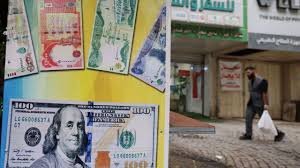
Iraqi Dinar Devaluation: Understanding the Shift in Exchange Rates
In a strategic but challenging move, the Iraqi government has announced a significant adjustment to its currency valuation. The Iraqi Dinar has depreciated by approximately 13% against the US Dollar, a move that signals deeper economic pressures stemming from regional instability and fluctuating energy exports.
The New Exchange Rate: The Numbers
The Central Bank of Iraq has officially updated the official exchange rate, moving from the previous rate of 1,320 Iraqi Dinars (IQD) per 1 US Dollar (USD), established in 2023, to a new rate of 1,520 IQD per 1 USD.
According to the central bank, this decision was approved by the cabinet to align with current “financial, economic, and monetary requirements.” Despite the devaluation, the bank has reassured the public and international partners that its foreign exchange reserves remain robust enough to sustain:
- n
- International trade payments.
- Overseas bank card transactions.
- Cash requirements for travelers.
Why the Devaluation? The Oil Connection
The primary driver behind this economic shift is the decline in government revenue. As an OPEC member, Iraq relies heavily on oil exports. However, disruptions caused by tensions and conflicts involving Iran have hindered oil outflows, leaving a gap in the national budget.
By allowing the currency to depreciate, the government can effectively increase the value of its oil revenues (which are priced in US Dollars) when converted into local currency. This helps the state fund domestic spending and infrastructure projects even when the volume of exports drops.
The Double-Edged Sword: Pros and Cons
Currency devaluation is rarely a win-win scenario; it is a balancing act with significant trade-offs:
The Advantages
For the government, the new exchange rate acts as a financial buffer. It maximizes the local value of USD-denominated oil wealth, ensuring that the government can maintain public services and state salaries during volatile periods.
The Disadvantages
For the average citizen, the news is less favorable. Because Iraq imports a vast majority of its consumer goods, a weaker Dinar leads to imported inflation. This means:
- n
- Higher prices for food, medicine, and electronics.
- A sharp decline in household purchasing power.
- Increased cost of living for the most vulnerable populations.
Final Thoughts on Iraq’s Monetary Strategy
Iraq’s decision to adjust its currency reflects the precarious nature of an economy tied to the global commodities market and geopolitical stability. While the move protects the state’s solvency, the long-term challenge will be mitigating the inflationary pressure on its citizens.
Stay tuned for more updates on global finance and emerging market trends.
📰 You May Also Like