
Mastering Influencer Marketing in the Heart of Southeast Asia
If you are applying a Western playbook to the Indonesian market, you are likely leaving money on the table. Indonesia isn’t just another stop in an APAC expansion; it is the fourth most populous country on Earth and the most performance-oriented influencer marketing landscape in the entire Asia-Pacific region.
For brands accustomed to high-gloss production and “awareness-first” campaigns, Indonesia requires a total paradigm shift. In this market, reach is a vanity metric—conversion is the only currency that matters.
The Performance Revolution: Outcomes Over Awareness
The data is clear: Indonesia has moved past the “branding” phase. According to the State of Influence in APAC 2026 report, a staggering 74% of influencer campaigns in Indonesia are now designed with measurable performance outcomes. This is significantly higher than any other market in the region.
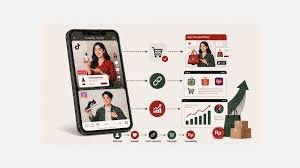
This shift has transformed how creators are paid. We are seeing a massive move toward Cost Per Result (CPR) frameworks. Today’s successful campaigns focus on:
- Direct link clicks and add-to-cart actions.
- TikTok Shop instant purchases.
- Affiliate-driven conversions.
In short: if you can’t track it, Indonesian marketers won’t run it.
The Platform Ecosystem: TikTok, Instagram, and YouTube
Treating social platforms as interchangeable is a recipe for failure. In Indonesia, each platform serves a distinct purpose in the customer journey.
1. TikTok: The Discovery Engine
TikTok is where products are born. With nearly 89% of online adults in Indonesia using the platform (per DataReportal), it is the primary channel for beauty, fashion, and consumer goods. The integration of TikTok Shop has collapsed the funnel, allowing users to move from discovery to purchase in seconds via live-selling and creator storefronts.
2. Instagram: The Validation Hub
Instagram remains the gold standard for high-consideration purchases. It is where users go to validate a brand’s prestige or dive deeper into complex product education. While TikTok sparks the interest, Instagram often seals the deal for professional demographics and aspirational brands.
3. YouTube: The Research Deep-Dive
For tech, electronics, and premium offerings, YouTube is an undervalued powerhouse. Indonesian consumers are research-heavy buyers; they crave long-form reviews and side-by-side comparisons before committing to a high-ticket item.
Authenticity Wins: Why “Raw” Outperforms “Polished”
One of the biggest shocks for global brands is the “Production Paradox.” In Indonesia, the more a video looks like a professional commercial, the more users scroll past it. Trust in “mega-influencers” is dipping as audiences crave genuine recommendations.
What actually converts?
- A skincare routine filmed in a real bathroom.
- An unboxing video in a messy home kitchen.
- A tech review that honestly discusses a product’s flaws.
As Dinda Anandita from Content Collision notes, high production value has become a signal for “Ads,” while raw, phone-shot content is the signal for “Trust.”
The Power of the Small: Nano and Micro Influencers
With over 1.1 million influencers on Instagram alone, Indonesia possesses one of the deepest nano-creator ecosystems in the world. For those focusing on influencer marketing for ROI, smaller is almost always better.
| Creator Tier | Follower Range | Avg. Engagement (IG) | Est. Price (TikTok Video) |
|---|---|---|---|
| Nano | 1K – 10K | ~7.2% | Rp400K – Rp2M |
| Micro | 10K – 100K | High | Rp2M – Rp15M |
| Macro | 100K – 500K | Moderate | Rp15M – Rp50M |
| Mega | 500K+ | ~1.1% | Rp50M – Rp150M |
Strategic Tips for International Brands
To succeed in the Indonesian market, keep these three operational rules in mind:
- Stop Over-Briefing: Do not provide scripts. Give the creator the objective and a few key facts, then let them use their own voice. Over-scripted content dies in Indonesia.
- Plan for Ramadan: The religious calendar dictates the commercial calendar. Ramadan and Eid al-Fitr are the peak shopping windows. Contract your creators 3-4 months in advance to avoid price spikes and unavailability.
- Build Attribution First: Ensure every campaign has trackable links or discount codes from day one. Attribution is not a report; it is a design requirement.
By embracing raw storytelling and performance-driven metrics, brands can unlock the massive potential of the Indonesian digital economy. For more insights on global trends, check out the latest guides on HubSpot’s Marketing Blog.



