
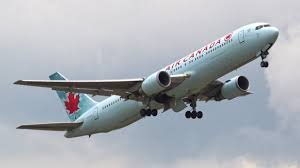
Taking Flight: Your Journey to Becoming a Professional Aircraft Pilot
Have you ever looked up at a plane streaking across the Canadian horizon and wondered what it feels like to be in control? Becoming an aircraft pilot is more than just a career choice; it is a calling that combines technical precision, a love for adventure, and a profound sense of responsibility.
Whether you aspire to fly massive commercial jets for major airlines or prefer the versatility of private charter flights, the path to the cockpit is rigorous but rewarding. In this guide, we will break down the essential steps to navigate your aviation career.
The Educational Roadmap: Licenses and Certifications
You don’t just jump into a Boeing 737. The journey of an aircraft pilot is built on a foundation of progressive licensing. In Canada, these standards are strictly regulated to ensure the highest levels of safety.
- n
- Private Pilot License (PPL): This is your starting point. The PPL allows you to fly small aircraft and carry passengers, though not for compensation. It focuses on basic maneuvers, navigation, and safety.
- Commercial Pilot License (CPL): To get paid for flying, you need a CPL. This requires more flight hours and a deeper understanding of advanced aircraft systems and commercial regulations.
- Multi-Engine Rating: Most commercial aircraft have more than one engine. This rating is crucial for transitioning to larger planes.
- Instrument Rating (IFR): This allows you to fly through clouds and low visibility by relying solely on the aircraft’s instruments, a mandatory skill for professional airline pilots.
Essential Skills for the Modern Aviator
Beyond the technical training provided by flight schools, a successful aircraft pilot must possess a specific set of soft skills:
- n
- Situational Awareness: The ability to perceive everything happening around the aircraft and anticipate potential risks.
- Decision-Making Under Pressure: In the cockpit, seconds matter. Pilots must remain calm and make logical decisions during emergencies.
- Clear Communication: Precise communication with Air Traffic Control (ATC) is non-negotiable for aviation safety.
The Investment: Costs and Career Outlook
It is no secret that training to be an aircraft pilot requires a significant financial investment. From flight hours to simulation training, the costs can be high. However, the global demand for pilots continues to grow as travel expands and an aging workforce retires.
To ensure you are following the correct legal path in Canada, it is essential to consult the official guidelines provided by Transport Canada, the authority responsible for aviation safety and licensing.
Top Tips for Aspiring Pilots
If you are ready to start your journey, consider these strategic tips:
- Research Flight Schools: Look for accredited institutions with a strong safety record and modern fleets.
- Focus on Theory: Don’t neglect your ground school. Understanding meteorology and aerodynamics makes your actual flight hours much more productive.
- Network Early: Join aviation clubs and attend industry events to connect with experienced pilots and recruiters.
Final Thoughts
The path to becoming an aircraft pilot is challenging, requiring dedication, study, and resilience. However, the reward—a unique perspective of the world and a prestigious professional standing—is unparalleled. The sky isn’t the limit; it’s your office.



