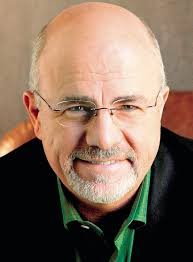
Planning Your Dream Land Purchase: The Dave Ramsey Approach
Owning a piece of land is a dream for many. Whether it’s for a future home, a getaway, or a strategic investment, the excitement of buying property can often overshadow the financial pragmatism required to do it safely. In a recent advice segment, personal finance expert Dave Ramsey addressed a common dilemma: How much of your savings should you actually spend on a large purchase like land?
For those earning a high income and living debt-free, the temptation to dive into real estate is strong. However, Dave Ramsey suggests that the answer isn’t found in a rigid percentage, but in a sensible financial ratio.
The Golden Rule: Foundation Before Luxury
Before you sign any contracts or transfer funds for a plot of land, Ramsey emphasizes that your financial foundation must be unbreakable. Regardless of how much you earn, there are two non-negotiables that must be in place first:
- n
- A Fully Funded Emergency Fund: You should have three to six months of living expenses tucked away in a liquid account. This ensures that an unexpected job loss or medical emergency doesn’t force you to sell your land at a loss. For a detailed look at how to build one, check out Investopedia’s guide on emergency funds.
- A Solid Retirement Plan: Buying land is a great way to build wealth, but it shouldn’t come at the expense of your future self. Ensure your retirement contributions are on track before allocating large sums to real estate.
Ratios Over Percentages
When asked if there is a specific percentage of savings to allocate toward land, Ramsey argues that it’s more about ratios and wealth. If you are debt-free and your emergency and retirement funds are fully funded, any remaining cash is essentially “wealth.”
“If you’ve got an extra $100,000 sitting in a savings account in addition to all these other things, and you’d rather have $100,000 worth of land instead of that bank account, I’m good with it.”
In this scenario, the purchase isn’t a risk; it’s a reallocation of assets. You aren’t spending your safety net; you are simply moving wealth from a liquid form (cash) to a fixed asset (land).
The Importance of Income Context
It is important to note that this advice changes based on your income level. While a couple making $180,000 a year can comfortably afford a large cash purchase after securing their basics, the strategy differs for those with lower household incomes. For those in different brackets, the priority remains the same: never put your emergency fund or retirement on hold to buy land.
Final Thoughts for Future Landowners
Making “mature, grown-up decisions” means prioritizing security over desire. By following the Dave Ramsey philosophy, you can enjoy the peace of mind that comes with land ownership without the stress of financial instability. If you are looking for more resources on managing your finances in Canada, consider exploring the Financial Consumer Agency of Canada for tailored local advice.
Key Takeaways:
- Secure 3-6 months of expenses first.
- Prioritize retirement savings.
- Use “excess wealth” for land purchases, not your safety net.
- Focus on the ratio of stability to spending.