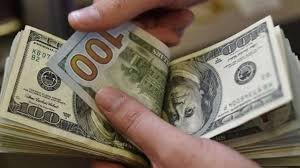
Understanding the Current Shift in Currency Exchange Rates
In the fast-paced world of global finance, currency exchange rates (often referred to in regional trends as kuru) act as a barometer for geopolitical stability and economic health. Recently, investors have been on high alert as a combination of international trade tensions and internal political disputes creates a volatile environment for traders and casual investors alike.
Global Drivers: The Impact of US-EU Trade Relations
One of the primary catalysts for current market uncertainty is the shifting rhetoric from the United States regarding trade. Recent statements from US leadership concerning variable tariffs on the European Union have injected a significant amount of unpredictability into the markets.
When major economies clash over trade policies, it typically increases the global risk appetite, leading investors to move their capital toward “safe-haven” assets. This volatility is directly reflected in the fluctuation of major currency pairs, as markets attempt to price in the potential for economic slowdowns or trade wars.
Internal Pressures and Investor Confidence
Beyond global trends, internal political dynamics play a crucial role in currency valuation. In regional markets, internal party crises and legal debates—such as the recent “absolute nullity” (mutlak butlan) discussions within political leadership—have made investors more cautious.
Political instability often leads to a decline in investor confidence, prompting a search for stability. When the domestic political climate becomes heated, the local currency often feels the pressure, leading to upward trends in the exchange rates of stronger foreign currencies.
Current Market Snapshot: Euro and Dollar Trends
As of the latest reports on May 26, the market has shown a clear upward trajectory. Here is a brief look at the trading levels:
- n
- Euro (EUR): Buying price at 53.38 lira / Selling price at 53.39 lira.
- US Dollar (USD): Buying price at 45.89 lira / Selling price at 45.91 lira.
Analysts suggest that this volatility may persist in the short term, pending new economic data and official communications from central banks.
Critical Notice for Traders: Upcoming Holiday Closures
For those managing currency portfolios or planning exchanges, it is vital to note the upcoming schedule due to the Kurban Bayramı (Eid al-Adha) holiday.
Key details to remember:
- Stock Market: Will be closed for 4.5 days starting from the afternoon of the eve (Arefe).
- Exchange Bureaus: As these are private enterprises, the majority are expected to remain closed during the holiday period. While some may open on the 3rd or 4th day, there is no official mandate for them to operate.
Expert Advice: To avoid liquidity issues or missed opportunities, citizens and investors are strongly encouraged to complete their currency buy/sell transactions before the holiday closure begins.
Want to keep track of real-time fluctuations? Check out Bloomberg Markets for the latest global currency data.