
Oil Markets React: Why We Are Seeing a Significant Crude Oil Price Drop
The global energy market is currently experiencing a volatile shift. In a sudden move, crude oil prices hit two-week lows this Monday, triggered by a surge of optimism that the United States and Iran are edging closer to a comprehensive peace agreement. For investors and consumers alike, this crude oil price drop signals a potential easing of geopolitical tensions that have gripped the Middle East.
The market reaction was swift. Brent crude futures plummeted by $4.71 (approximately 4.55%), landing at $98.83 a barrel. Similarly, the US West Texas Intermediate (WTI) saw a decline of $4.57 (4.73%), settling at $92.03 a barrel. These figures represent some of the lowest points since early May, reflecting a market that is pricing in the possibility of renewed stability.
- Brent Crude: Down to $98.83/barrel
- WTI Crude: Down to $92.03/barrel
- Nikkei 225: Jumped over 3% on peace hopes
- US Stock Futures: Nasdaq and S&P futures both trended upward
The Strait of Hormuz: The Key to Energy Security
At the heart of this price fluctuation is the Strait of Hormuz. As one of the world’s most critical oil transit chokepoints, any threat to its accessibility immediately spikes prices. The current optimism stems from reports that a memorandum of understanding between the US and Iran would include the reopening of the strait, effectively removing the blockade that has restricted Middle Eastern oil supplies.
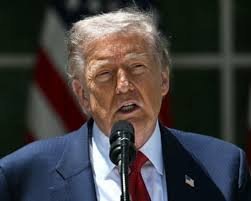
However, the path to stability is not without obstacles. While Donald Trump has indicated that a deal is “largely negotiated,” he has also cautioned his team “not to rush into a deal,” emphasizing that accuracy is more important than speed to avoid costly mistakes.
The Complexities of the US-Iran Negotiations
Despite the market’s enthusiasm, several “sticking points” remain that could reverse the current crude oil price drop. According to reports from Reuters and other high-authority sources, the negotiations are hindered by several critical factors:
- Frozen Assets: Iran is pushing for the release of approximately $100 billion in frozen assets held by countries including the US, Japan, and China.
- Nuclear Ambitions: The US and its ally, Israel, insist that any final agreement must entirely eliminate the nuclear threat.
- Regional Conflicts: The ceasefire in Lebanon and the activities of Hezbollah remain volatile, with Israel seeking guarantees for its own security operations.
- Communication Gaps: Reports suggest difficulties in reaching the Iranian supreme leader, Mojtaba Khamenei, creating delays in diplomatic responses.
What This Means for the Global Economy
A sustained crude oil price drop would provide much-needed relief to global economies struggling with inflation. When energy costs decrease, transportation and production costs typically follow, potentially lowering the price of consumer goods.
Financial analysts, including those from Bloomberg, suggest that while the market is embracing risk, a true surge in confidence will only occur once a signed agreement is certified and the blockade of Iranian ports is officially lifted.
Final Thoughts: Caution Amidst Optimism
While the current trend is downward, the energy market remains a hostage to diplomacy. The world is watching closely to see if the Trump administration can deliver a “good and proper” deal that ensures long-term stability in the Middle East or if the current price dip is merely a temporary reaction to political posturing.



