
Canada’s Economic Crossroads: Navigating Trade Tensions and Market Volatility
The Canadian economic landscape is currently weathering a perfect storm. From high-stakes diplomatic clashes with the United States to internal monetary policy dilemmas, the nation finds itself at a critical juncture. At the heart of the turbulence is a deepening rift between Prime Minister Mark Carney and the Trump administration, turning trade negotiations into a geopolitical battlefield.
The Trade Standoff: Carney vs. Lutnick
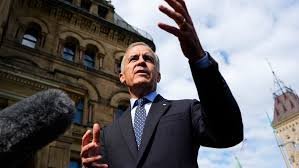
Tensions reached a boiling point recently as Prime Minister Mark Carney firmly rejected claims from the U.S. administration. U.S. Commerce Secretary Howard Lutnick accused Carney of orchestrating a trade controversy to influence provincial elections in Quebec. In a sharp rebuttal, Carney dismissed the notion, stating that non-elected U.S. cabinet members are hardly “experts in Canadian politics.”
The breakdown of negotiations wasn’t just about politics; it was about fundamental economic interests. Carney cited three primary deal-breakers that led to the collapse of talks:
- n
- Tariff Disputes: The exclusion of medium and heavy-duty trucks from tariff reductions.
- Trade Autonomy: Restrictions placed on Canada’s ability to forge independent trade agreements with other nations.
- Cultural Sovereignty: Concerns over the “discoverability” of French-language cultural content online—a red line for Canadian identity.
The conflict has spiraled beyond the boardroom, with President Trump taking provocative steps, such as symbolically renaming Lake Ontario to “Lake America” and using social media to ridicule Canadian institutions.
Economic Vital Signs: Stability Amidst Chaos
Despite the diplomatic noise, Canada’s macroeconomic indicators provide a nuanced picture of resilience and risk. According to recent data from Statistics Canada, the country recorded a trade surplus of $769 million in July, although exports saw their first dip in six months.
Key Financial Indicators:
- GDP Growth: Second-quarter data suggests sustained growth, debunking earlier rumors of an imminent recession.
- Monetary Policy: The Bank of Canada has maintained its policy rate at 2.25%, though warnings of potential hikes remain if inflation risks intensify.
- Fuel Relief: To ease the burden on citizens, the federal government has extended the 10-cent per litre excise tax suspension on gasoline until January 31, 2027.
Diversification: The European Lifeline
As the relationship with the U.S. becomes increasingly volatile, Canada is leaning heavily on its global partnerships. Ten years after the signing of the Comprehensive Economic and Trade Agreement (CETA), transatlantic trade is thriving. This pivot toward Europe serves as a vital economic safety net, proving that diversification is no longer optional—it is a necessity for Canadian survival in a protectionist era.
Looking Ahead: The Path to Recovery
The road forward requires a delicate balance of firmness and flexibility. While PM Carney has stated he will only return to the negotiating table once the U.S. demonstrates “seriousness” and respect, the urgency to remove internal trade barriers within Canada has never been higher.
Whether through new investments—such as the $4.7 billion allocation for VIA Rail wagons—or strategic shifts in the forestry sector, Canada is fighting to maintain its economic sovereignty in the face of an unpredictable superpower.



