
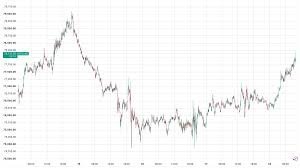
Bitcoin Defies the Odds: Why BTC’s Resilience Signals a Bullish Turn
For cryptocurrency investors, September has historically been a month of caution. Often dubbed the “September Slump,” this period usually sees Bitcoin (BTC) struggle to maintain its value. However, this year is proving to be different. Despite a barrage of macroeconomic headwinds and policy setbacks, Bitcoin is showing a level of resilience that has market observers smelling a bullish reversal.
Breaking the September Curse
Historically, September has been one of the weakest months for the crypto market, with an average loss of roughly 3% since 2013. Yet, in a surprising twist, Bitcoin’s decline this month has been contained at approximately 1.5%. Even more impressive is its quarterly performance; BTC is up about 32% for the quarter, putting it on track for its first positive quarterly close since 2025.
Currently trading around the $78,000 mark, Bitcoin has effectively shrugged off events that would typically trigger a massive sell-off. This stability suggests that the market is no longer reacting to negative news with panic, but rather with strength.
The ‘Bad News’ Paradox: Seller Exhaustion
Recent weeks provided plenty of catalysts for a price crash, yet the floor remained firm. Two major events stand out:
- n
- The Fed Rate Hike: A 25-basis-point increase by the Federal Reserve, typically a headwind for risk assets.
- The Clarity Act Failure: The Senate failed to secure the 60 votes needed to advance the Clarity Act, leaving a statutory framework for crypto in limbo.
According to Mitchell Askew, head of Blockware Intelligence, this lack of reaction is a classic sign of seller exhaustion. When objectively bad news fails to drive the price lower, it indicates that those who wanted to sell have already done so. In technical terms, this is often the final stage of a “bottoming process” before a significant upward move.
Macro Pressures vs. The Store of Value Thesis
It wasn’t just policy setbacks hitting the market. Bitcoin faced a “perfect storm” of macroeconomic pressures:
- Energy Markets: West Texas Intermediate crude climbed above $106 a barrel due to Middle East tensions.
- Dollar Strength: The Dollar Index topped 100, which usually tightens financial conditions for digital assets.
- Global Shifts: The Bank of Japan pushed borrowing costs to a 31-year high.
However, experts like Fabian Dori from Sygnum Bank argue that rising rates aren’t always bearish. If high rates are seen as a sign of sovereign counterparty risk or currency debasement, assets like Bitcoin and Gold become more attractive as “stores of value.”
Regulatory Glimmers and the Q4 Outlook
While the Clarity Act stalled, the regulatory landscape isn’t entirely bleak. The Securities and Exchange Commission (SEC) recently unveiled an innovation exemption for tokenized securities venues. This allows qualified platforms to facilitate the on-chain trading of stocks, opening a vital regulatory pathway for the integration of traditional finance and blockchain.
What to Expect Next?
While the immediate future (week 38 of the year) has historically been slightly bearish, the broader horizon looks promising. Historically, Bitcoin thrives in the final stretch of the year. Data from CoinDesk suggests that Bitcoin gains an average of 77% in Q4.
The Bottom Line: Bitcoin’s ability to remain above $77,000 despite legislative failures, oil price spikes, and a strong dollar suggests the path of least resistance is now higher. For the bullish investor, the current resilience is not just a fluke—it’s a launchpad.



