
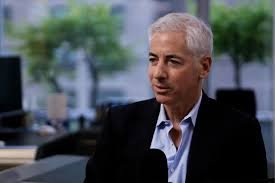
Bill Ackman: Decoding the Strategy of a Modern Financial Titan
In the high-stakes world of Wall Street, few names evoke as much conversation and intensity as Bill Ackman. As the founder and CEO of Pershing Square Capital Management, Ackman has redefined the role of the investor, moving beyond passive ownership to a bold, provocative style known as activist investing.
But what exactly makes Bill Ackman a polarizing yet respected figure in the financial ecosystem? To understand his impact, we must look at the intersection of corporate governance, market psychology, and raw financial ambition.
What is Activist Investing?
Unlike traditional investors who buy shares and hope the price goes up, an activist investor like Bill Ackman buys a significant stake in a company to gain a seat at the table. The goal is to influence the company’s management to make specific changes that increase shareholder value.
Common activist strategies include:
- n
- Replacing the CEO or board members to bring in fresh leadership.
- Spinning off underperforming divisions to streamline operations.
- Pushing for dividends or share buybacks to return capital to investors.
- Restructuring debt to improve the company’s balance sheet.
n
n
n
n
For a deeper dive into how this mechanism works, you can explore the comprehensive guides provided by Investopedia.
Pershing Square: The Engine of Influence
Through Pershing Square, Ackman has engaged in some of the most publicized financial battles in history. His approach is characterized by deep research and a willingness to take massive, concentrated bets. While this strategy can lead to staggering gains, it also exposes the fund to significant volatility.
Ackman is not just about the numbers; he is about the narrative. He often uses public platforms, media appearances, and social media to argue his case, effectively using public opinion as a lever to pressure corporate boards into action.
The Mindset of a High-Stakes Investor
What separates Bill Ackman from the average hedge fund manager is his psychological resilience. Whether he is navigating a massive win or facing a highly publicized loss, his commitment to his thesis remains steadfast. This “conviction-based” investing requires a rare blend of analytical rigor and an appetite for risk.
Key takeaways from Ackman’s approach include:
- Concentrated Portfolios: He prefers a few high-conviction bets over a diversified sea of mediocre stocks.
- Transparency: By publicly announcing his positions, he forces the market to evaluate the logic behind his trades.
- Long-term Vision: Despite the noise of daily market fluctuations, his goals are typically centered on long-term structural improvement.
n
n
n
Bill Ackman in the Digital Age
In recent years, Ackman has expanded his influence beyond the balance sheet. By utilizing platforms like X (formerly Twitter), he has become a commentator on social issues, university governance, and macroeconomic trends. This evolution shows that for Ackman, the ability to shift public perception is just as valuable as the ability to analyze a financial statement.
To keep up with the latest real-time market movements and Ackman’s latest positions, Bloomberg remains a primary source for financial intelligence.
Final Thoughts
Whether you view him as a corporate raider or a catalyst for efficiency, there is no denying that Bill Ackman has left an indelible mark on the world of finance. His career serves as a masterclass in the power of conviction and the impact that a single determined investor can have on global corporations.



