Bank of Canada Policy Rate: How the ‘Taux Directeur’ Impacts Your Finances
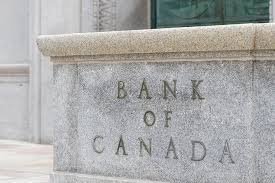
Understanding the Bank of Canada’s Policy Rate: What It Means for Your Wallet
If you’ve been following the financial news lately, you’ve likely encountered the term policy rate—or taux directeur in French. But beyond the economic jargon, what does this actually mean for the average Canadian? Whether you are a homeowner, a student with loans, or someone looking to grow their savings, the Bank of Canada’s decisions ripple through every corner of your financial life.
What Exactly is the Policy Rate (Taux Directeur)?
The policy rate is the target for the overnight rate at which major financial institutions lend and borrow one-day funds among themselves. Essentially, it is the “benchmark” interest rate for the entire country. When the Bank of Canada adjusts this rate, it influences the interest rates that commercial banks charge their customers.
Why Does the Bank Change the Rate?
The primary goal of the Bank of Canada is to keep inflation low, stable, and predictable. Here is how the mechanism works:
- n
- To Combat Inflation: When prices rise too quickly, the Bank may increase the policy rate. This makes borrowing more expensive, which cools down spending and slows inflation.
- To Stimulate the Economy: During a recession or a period of slow growth, the Bank often lowers the rate. This encourages businesses to invest and consumers to spend, boosting economic activity.
How the Policy Rate Impacts Your Daily Life
The shift in the taux directeur doesn’t just stay within the halls of the central bank; it hits your bank account directly.
1. Mortgages and Loans
For those with variable-rate mortgages, a hike in the policy rate usually leads to an immediate increase in monthly payments or a longer amortization period. Even fixed-rate mortgages are affected, as lenders price their future contracts based on expectations of where the policy rate will be.
2. Savings Accounts and GICs
On the bright side, a higher policy rate is great news for savers. You will typically see a rise in the interest rates offered on high-interest savings accounts and Guaranteed Investment Certificates (GICs), allowing your money to grow faster.
3. Consumer Spending
When borrowing costs go up (credit cards, lines of credit), people tend to spend less on non-essential items. This is a deliberate move by the central bank to reduce demand and bring prices back down to a manageable level.
Strategic Tips to Navigate Interest Rate Changes
Staying financially resilient requires a proactive approach. Here are a few strategies to manage the impact of rate fluctuations:
- Review Your Debt: If rates are rising, prioritize paying off high-interest debt, such as credit card balances.
- Evaluate Your Mortgage: Speak with a financial advisor to determine if switching from a variable to a fixed rate (or vice versa) makes sense for your current situation.
- Maximize Savings: Look for financial products that offer floating rates to take advantage of an increasing taux directeur.
Conclusion
While the terminology of the Bank of Canada’s policy rate might seem complex, its impact is simple: it dictates the cost of money. By staying informed about the taux directeur, you can make smarter decisions about your mortgage, your investments, and your overall financial future in Canada.
📰 You May Also Like