
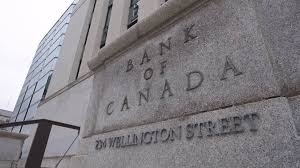
Bank of Canada Interest Rate: Stability Amid Economic Turbulence
The financial eyes of the nation are fixed on the Bank of Canada interest rate announcement. Following a period marked by volatile economic data and global uncertainty, the central bank is at a crossroads. Market analysts and economists are widely anticipating a fifth consecutive hold on the benchmark rate, currently standing at 2.25 per cent.
But why is the Bank of Canada opting for a cautious approach? Let’s dive into the factors driving this decision and what it means for the Canadian economy.
The Balancing Act: Inflation vs. Growth
The Bank of Canada is currently navigating a complex economic landscape. On one hand, there is a need to curb inflation; on the other, there is a risk of stifling economic growth. Recent data from Statistics Canada reveals a contradictory picture:
- n
- Economic Contraction: The economy saw a marginal contraction on an annualized basis during the first quarter, falling short of the central bank’s initial projections.
- Employment Surprise: In a surprising twist, the economy added 88,000 jobs in May, partially offsetting the employment decline seen since the start of the year.
The Inflation Pressure Cooker
Inflation remains a primary concern for policymakers. The annual inflation rate jumped to 2.8 per cent in April. This spike is largely attributed to the “energy price shock” resulting from ongoing conflicts in the Middle East, which has led to higher costs at the gas pumps for millions of Canadians.
Global Headwinds and Trade Uncertainty
It is not just domestic data influencing the Bank of Canada interest rate. The BOC has remained largely on the sidelines this year, waiting for clearer signals regarding two major geopolitical factors:
- Conflict in Iran: The geopolitical instability in the region threatens global oil supplies and price stability.
- U.S. Trade Uncertainty: As Canada’s largest trading partner, any shift in U.S. trade policy significantly impacts Canada’s economic growth and inflation targets.
What This Means for You
A “hold” on interest rates generally provides a period of predictability for borrowers and investors. However, the persistence of inflation and the volatility of the energy market suggest that the path forward remains uncertain. For more official updates, you can monitor the Bank of Canada’s official announcements.
Stay tuned as we continue to monitor the benchmark rate and its impact on your mortgage, savings, and the broader Canadian market.



