
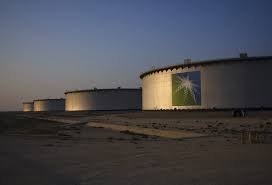
Aramco: A Deep Dive into the Energy Giant
Saudi Aramco, officially the Saudi Arabian Oil Company, stands as a titan in the global energy landscape. Often simply referred to as Aramco, it’s not just an oil company; it’s a national institution, a key player in geopolitical strategy, and currently, the world’s most valuable company. But what makes Aramco so significant, and what does the future hold for this energy powerhouse?
A History Rooted in Discovery
Aramco’s origins trace back to 1933 with the concession granted to Standard Oil of California (SoCal). The discovery of oil in 1938 transformed the Kingdom of Saudi Arabia and laid the foundation for Aramco’s growth. Over decades, the company evolved through various ownership structures, eventually becoming fully nationalized in 1980. This journey from a foreign concession to a state-owned enterprise is central to understanding Aramco’s current position.
Financial Powerhouse: Beyond the Barrel
Aramco’s financial performance is staggering. Its initial public offering (IPO) in 2019, while smaller than initially anticipated, was the largest in history. The company consistently reports massive profits, driven by its vast reserves and low production costs. These profits aren’t solely reinvested in oil exploration; Aramco is increasingly diversifying into petrochemicals, renewable energy, and other sectors. You can find detailed financial reports on their official investor relations website.
Reserves and Production Capacity
Aramco controls the second-largest proven crude oil reserves in the world, estimated at around 256.9 billion barrels. This immense resource base, coupled with a production capacity exceeding 12 million barrels per day, gives Aramco significant influence over global oil prices and supply. The company is continually investing in technologies to enhance oil recovery and optimize production.
Diversification and the Future of Energy
Recognizing the shifting global energy landscape, Aramco is actively pursuing diversification strategies. This includes significant investments in:
- Petrochemicals: Expanding its petrochemicals portfolio to capture higher margins and reduce reliance on crude oil.
- Renewable Energy: Investing in solar, wind, and hydrogen technologies to become a major player in the clean energy transition. Aramco aims to achieve net-zero emissions by 2050.
- Digitalization: Leveraging advanced technologies like AI and machine learning to optimize operations and improve efficiency.
Aramco’s commitment to innovation is evident in its research and development efforts, as highlighted on their technology page.
Geopolitical Significance
Aramco’s role extends beyond economics. It’s a cornerstone of the Saudi Arabian economy and a vital instrument of national policy. The company’s operations are closely intertwined with Saudi Arabia’s geopolitical interests, influencing its relationships with other oil-producing nations and major energy consumers. Understanding this context is crucial when analyzing Aramco’s strategic decisions.
Challenges and Opportunities
Aramco faces several challenges, including the global push for decarbonization, fluctuating oil prices, and geopolitical instability. However, it also possesses significant opportunities to leverage its financial strength, technological expertise, and vast resources to navigate these challenges and shape the future of energy. The company’s ability to adapt and innovate will be key to its continued success.



