
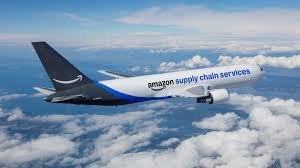
The Logistics War: Amazon’s Bold Move into Third-Party Fulfillment
The landscape of global commerce is shifting. For years, Amazon was primarily known as a marketplace and a customer of massive shipping carriers. However, the line between being a retailer and a logistics provider has blurred. In a strategic move that sends ripples through the industry, Amazon is now opening its world-class supply chain to businesses that don’t even sell on its platform.
By allowing brands to move, store, and deliver everything from raw materials to finished products using the same infrastructure that powers Amazon, the company is positioning itself as a dominant force in Third-Party Logistics (3PL).
Expanding the Reach: Walmart, Shopify, and SHEIN
In a surprising twist, Amazon has expanded its fulfillment offerings to integrate with major competitors and partners, including Walmart, Shopify, and SHEIN. This expansion allows sellers to simplify their supply chains and provide a seamless customer experience across multiple sales channels.
Key highlights of this expansion include:
- n
- AI-Powered Customs Tools: New artificial intelligence tools are being deployed to simplify customs clearance, reducing delays and costs for international shipping.
- Multi-Channel Integration: Sellers can now leverage Fulfillment by Amazon (FBA) to ship orders coming from outside the Amazon store.
- Scalability for Small Businesses: Entrepreneurs, such as Sylvia Kapsandoy of USimplySeason, can now focus on product innovation while leaving the complex logistics to Amazon’s automated systems.
The Impact on UPS Stock and Traditional Carriers
For investors monitoring UPS stock and other traditional freight carriers, this evolution is a critical signal. Historically, Amazon was one of the largest clients for companies like UPS. However, as Amazon builds its own end-to-end delivery network and begins offering those services to others, it transforms from a client into a direct competitor.
The shift toward an “Amazon-centric” logistics model puts pressure on traditional carriers to innovate. When Amazon integrates AI into customs and streamlines fulfillment for giants like SHEIN, it sets a new industry standard for speed and efficiency that the rest of the market must follow to maintain their valuation.
Final Thoughts: A New Era of E-commerce
The democratization of Amazon’s supply chain means that any business, regardless of size, can now access elite-level logistics. While this is a win for sellers and consumers, it creates a challenging environment for legacy shipping companies.
Whether you are a business owner looking to scale or an investor tracking the volatility of UPS stock, one thing is clear: the future of delivery is AI-driven, integrated, and increasingly dominated by the infrastructure of the cloud and e-commerce giants.
To stay updated on the latest logistics trends, consider following reports from Bloomberg Technology for real-time market analysis.



