
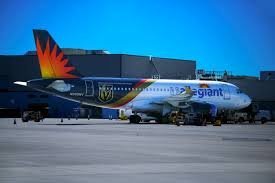
A New Era for Budget Aviation: Allegiant Air and Sun Country Join Forces
The landscape of American leisure travel is about to undergo a significant transformation. Allegiant Air, the Las Vegas-based aviation giant, is finalizing a strategic merger with Minnesota-based Sun Country Airlines. This powerhouse combination is designed to create a more robust, efficient, and expansive network for budget-conscious travelers across the United States.
Despite the current volatility in the aviation industry—driven largely by soaring jet fuel prices—Allegiant Air remains steadfast in its pursuit of this merger. Executives have indicated that shareholders are expected to vote on the $1.5 billion deal on May 8, with the official transaction expected to close by May 13.
Strategic Synergy: Expanding the Horizon
What makes this merger particularly compelling is the complementary nature of the two airlines’ route networks. By blending their operations, the combined entity will offer an impressive array of more than 650 routes. This includes:
- n
- Allegiant Air’s Expertise: A strong presence in small and mid-sized localities.
- Sun Country’s Reach: Established dominance in larger metropolitan hubs.
- Combined Scale: A total of 551 Allegiant routes and 105 Sun Country routes, serving approximately 22 million passengers annually.
The Financial Blueprint of the Deal
The transaction is structured as a cash-and-stock deal, valuing Sun Country at $1.5 billion, including $400 million in existing debt. Under the agreed terms, Sun Country shareholders will receive 0.1557 shares of Allegiant common stock and $4.10 in cash for each share owned.
This represents a significant premium over the closing share price from when the deal was first announced in January. Once the merger is complete, Allegiant and Sun Country shareholders will own approximately 67% and 33% of the combined company, respectively.
Navigating Industry Headwinds and Efficiency
CEO Greg Anderson has been transparent about the challenges facing the industry. In a recent investor call, he highlighted the impact of geopolitical instability on fuel costs. However, Anderson believes the merger positions the company on the “right side of the gap” between inefficient operators and well-run ones.
To combat rising costs, Allegiant is implementing several strategic measures:
- n
- Schedule Optimization: Adjusting long-range flights to minimize fuel consumption.
- Fleet Modernization: Integrating new, fuel-efficient Boeing 737 jets to restore long-haul capabilities without sacrificing profitability.
Strong Financial Momentum
The merger comes at a time of strong financial performance for Allegiant Air. For the quarter ending March 31, the company reported a net income of $42.5 million on revenue of $732.4 million. This marks a healthy increase compared to the $32.1 million net income reported during the same period last year, signaling to investors that Allegiant is in a position of strength as it integrates Sun Country.
For those tracking market movements, Allegiant’s performance on the Nasdaq continues to reflect investor confidence in the company’s agile approach to the evolving travel market.



